
Home › Blog › How to Reduce Bloating After Eating
Digestive Health Guide| The cause | Most post-meal bloating is swallowed air plus gas from bacteria fermenting certain carbs — made worse by speed, portion size and fizzy drinks. |
| Fastest wins | Slow down, shrink portions, walk after eating, and cut back on carbonated drinks and gum. |
| Longer game | A steadier fibre intake and a consistent daily probiotic can support a calmer gut over weeks. |
That tight, over-full, slightly gassy feeling an hour after a meal is one of the most common digestive complaints there is — and one of the most frustrating, because it can turn an enjoyable dinner into an uncomfortable evening. The good news is that everyday bloating usually responds well to a handful of simple habits. Below is a practical guide to why it happens and what genuinely helps, without gimmicks.
Bloating is the sensation of increased pressure in the abdomen, sometimes with a visible increase in girth. After a meal, three things tend to overlap. First, you swallow air — more of it if you eat fast, talk while chewing, drink through a straw or chew gum. Second, the bacteria in your large intestine ferment carbohydrates they cannot fully digest, producing gases such as hydrogen and carbon dioxide. Third, a large meal simply stretches the stomach and slows its emptying, which your nervous system registers as fullness and pressure. Clinically, bloating (the sensation) and distention (a measurable increase in girth) are treated as related but separate things, and the American Gastroenterological Association’s practice update sets out how they are evaluated (Moshiree et al., Gastroenterology, 2023). The plain-language background from the National Institute of Diabetes and Digestive and Kidney Diseases on gas in the digestive tract is a good companion read.
Certain foods reliably produce more gas than others. Beans and lentils, onions and garlic, wheat, some dairy, cruciferous vegetables like broccoli and cabbage, and sugar alcohols found in “sugar-free” products are all common triggers. Nutrition scientists group many of these under the label FODMAPs — fermentable carbohydrates that draw water into the gut and feed gas-producing bacteria. None of these foods are “bad”; they are simply more likely to bloat a sensitive gut. This is the observation behind the low-FODMAP approach, where restricting specific fermentable carbohydrates reduces the gas and distension they generate before foods are reintroduced one at a time (Staudacher and Whelan, Gut, 2017). It is a structured elimination process rather than a permanent diet, and it works best with dietitian support.
You do not need to overhaul your diet to feel better. Start with the changes that give the biggest return for the least effort, then layer in the rest.
Eating quickly is the single most overlooked cause of bloating. Fast eating means more swallowed air and larger, less-chewed pieces of food reaching the gut. Put your fork down between bites, aim for roughly 20 minutes per meal, and let each mouthful become properly broken down before you swallow.
A very large meal stretches the stomach and slows emptying. Two or three moderate meals — rather than one enormous one — keep pressure and gas more manageable. If you know a big dinner is coming, eat a little lighter earlier in the day.
A gentle 10–15 minute walk after eating encourages the stomach to empty and helps trapped gas move through the digestive tract. It is one of the most reliable, evidence-friendly ways to cut that heavy, post-meal slump.
Fizzy drinks deliver carbon dioxide straight into your stomach, and chewing gum makes you swallow air repeatedly. Swapping soda for still water and skipping the after-meal gum can make a noticeable difference within a day.
Everyone’s gut is different. Keep a short food-and-symptom note for two weeks and look for patterns. Many people discover a specific culprit — often a particular dairy food, a sweetener, or a large serving of a high-FODMAP vegetable — that they can moderate rather than eliminate. Reviews of chronic bloating management put this kind of symptom diary near the top of the list, ahead of any supplement (Lacy et al., Clinical Gastroenterology and Hepatology, 2021).
Fibre is essential for a healthy gut, but a sudden jump from low to high intake causes gas while your microbiome adjusts. Increase fibre slowly over a few weeks, drink more water alongside it, and favour a variety of sources rather than a single big serving.
Water helps fibre do its job and keeps things moving. Paradoxically, drinking enough can reduce the water-retention type of bloating, because a well-hydrated body is less likely to hold on to fluid.
Enzymes such as papain (from papaya) are traditionally used to help the body break down protein-rich meals. Some people take an enzyme-containing supplement before a large or unfamiliar meal — a reason ingredients like papaya seed appear in daily digestive formulas. Papain is not interchangeable with pineapple-derived bromelain, and the differences are worth knowing before you buy — we compare them in papaya enzyme vs bromelain for digestion.
The bacteria in your gut are central to how much gas you produce and how comfortable you feel. A consistent daily probiotic may, over weeks, support a more balanced microbiome. This is a slow, cumulative habit rather than an instant fix — which is why it works best taken every day, not just on bad days. Live cultures and plant enzymes are genuinely different tools, as probiotics vs digestive enzymes explains, and the fibre you pair them with matters too — Irish sea moss and psyllium husk behave very differently in the gut.
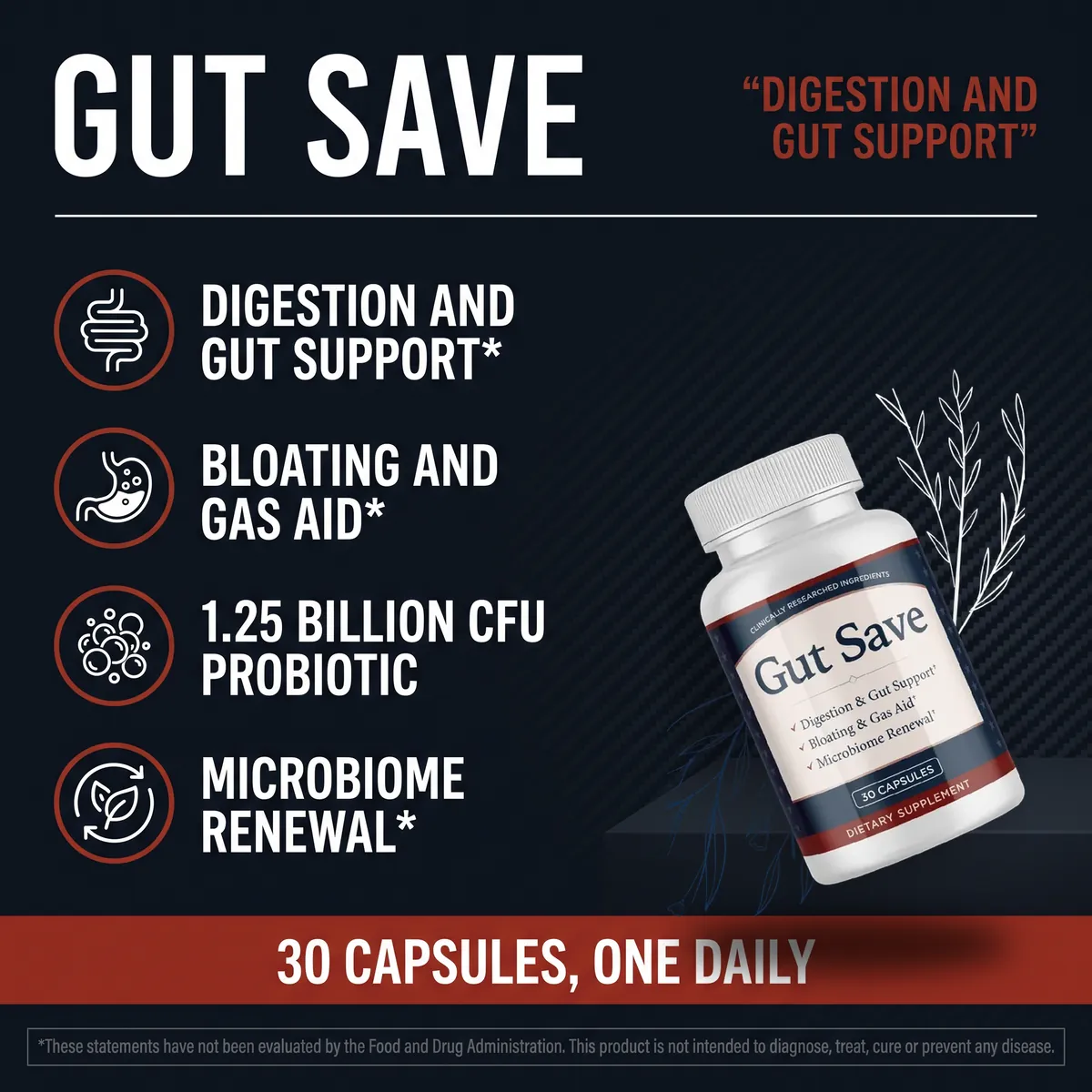
GutSave brings several of these habits into one capsule — papaya seed and botanicals for heavy meals, plus a 1.25-billion-CFU probiotic blend to support a balanced microbiome day after day.
See GutSave PackagesThese three levers work on different parts of the problem. Enzymes help break food down earlier, so less arrives in the colon to be fermented. A steady, varied fibre intake feeds beneficial bacteria and keeps transit regular. Probiotics aim to shift the balance of the microbiome itself over time. None is a magic bullet, but used together and consistently they address bloating from several angles at once — which is usually more effective than chasing a single “cure.” If you do add a daily capsule, the practical question becomes when to take it, which is covered in the best time to take a digestive supplement.
It is also worth remembering that the goal is not zero gas. A healthy gut produces gas; it is a sign your bacteria are being fed. The aim is comfortable, manageable digestion — feeling light rather than swollen after a normal meal.
Occasional post-meal bloating is normal. See a healthcare professional if your bloating is severe or painful, does not settle, is getting steadily worse, or comes with red-flag symptoms such as unexplained weight loss, blood in your stool, persistent vomiting, fever or a change in bowel habits that lasts more than a couple of weeks. These can point to conditions — from food intolerances to IBS to something needing investigation — that deserve proper assessment rather than self-treatment.
Post-meal bloating is usually a mix of swallowed air, gas produced when gut bacteria ferment certain carbohydrates, and the normal stretch of a full stomach. Eating quickly, large portions, carbonated drinks and high-FODMAP foods all make it more noticeable.
Ordinary post-meal bloating tends to ease within a few hours as food moves through the digestive tract. Bloating that is severe, painful, persistent, or comes with weight loss, blood or fever is not normal and should be checked by a doctor.
Some people find that a consistent daily probiotic supports a more balanced gut microbiome and less gas over time. Results vary between individuals and strains, so probiotics are best treated as one habit among several rather than a guaranteed fix.
† These statements have not been evaluated by the Food and Drug Administration. This product is not intended to diagnose, treat, cure or prevent any disease. This article is for general information only and is not medical advice — see a doctor about blood in the stool, unexplained weight loss, persistent or severe pain, or a sudden lasting change in bowel habit. Affiliate disclosure: GutSave.com is an independent guide and not the manufacturer or seller. Some links on this page are affiliate links, and we may earn a commission — at no extra cost to you — if you buy through them. This never changes the price you pay or what we write.