
Home › Blog › Best Time to Take a Digestive Supplement
Common Questions| In one line | For most once-daily digestive formulas, the best time is with your first main meal — taken with food and at a consistent time you will not forget. |
| Enzymes | Just before or at the start of a meal, so they are present while food is being broken down. |
| Probiotics | Any consistent daily time; attaching them to breakfast is the easiest way to never skip. |
| The real rule | Consistency beats the perfect hour. A dose you actually take every day works better than an ideal one you forget. |
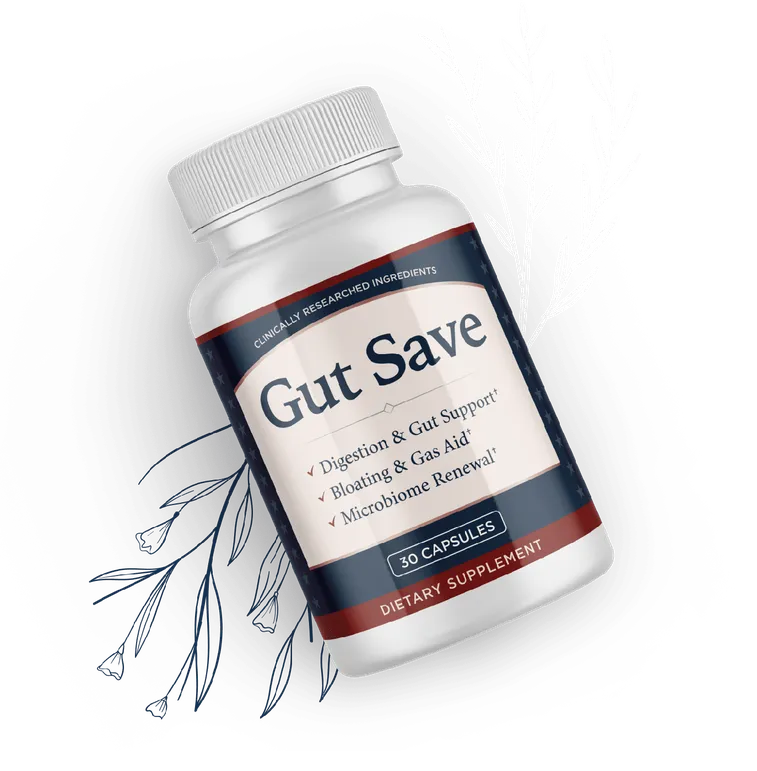
“What is the best time to take a digestive supplement?” sounds like it should have a single tidy answer, but the honest response is: it depends on what is in the bottle. A digestive enzyme, a probiotic and a collagen peptide each have their own ideal moment, and a combined daily formula blends those needs into one convenient window. This guide breaks down morning versus night, with food versus empty stomach, and exactly how timing changes by ingredient — so you can get the most from whatever you are taking without overthinking it.
If you take a once-daily, all-in-one digestive formula, the best time is almost always with your first main meal of the day. There are two good reasons. First, taking it with food means any enzyme or botanical component is present exactly when your body is digesting a meal, and food also cushions ingredients that can feel harsh on an empty stomach. Second — and this is the part people underrate — anchoring the capsule to breakfast turns it into an automatic habit rather than something you have to remember, and a supplement only works if you actually take it.
That said, the “perfect” hour matters far less than most marketing suggests. The single biggest driver of results from any digestive supplement is consistency over weeks, which is why our guide to how long digestive supplements take to work keeps returning to the same theme: show up daily and give it time. The consensus definition of a probiotic hinges on live micro-organisms being administered in adequate amounts on an ongoing basis, which is a scientific way of saying that the dose you actually keep taking is the one that counts (Hill et al., Nature Reviews Gastroenterology & Hepatology, 2014).
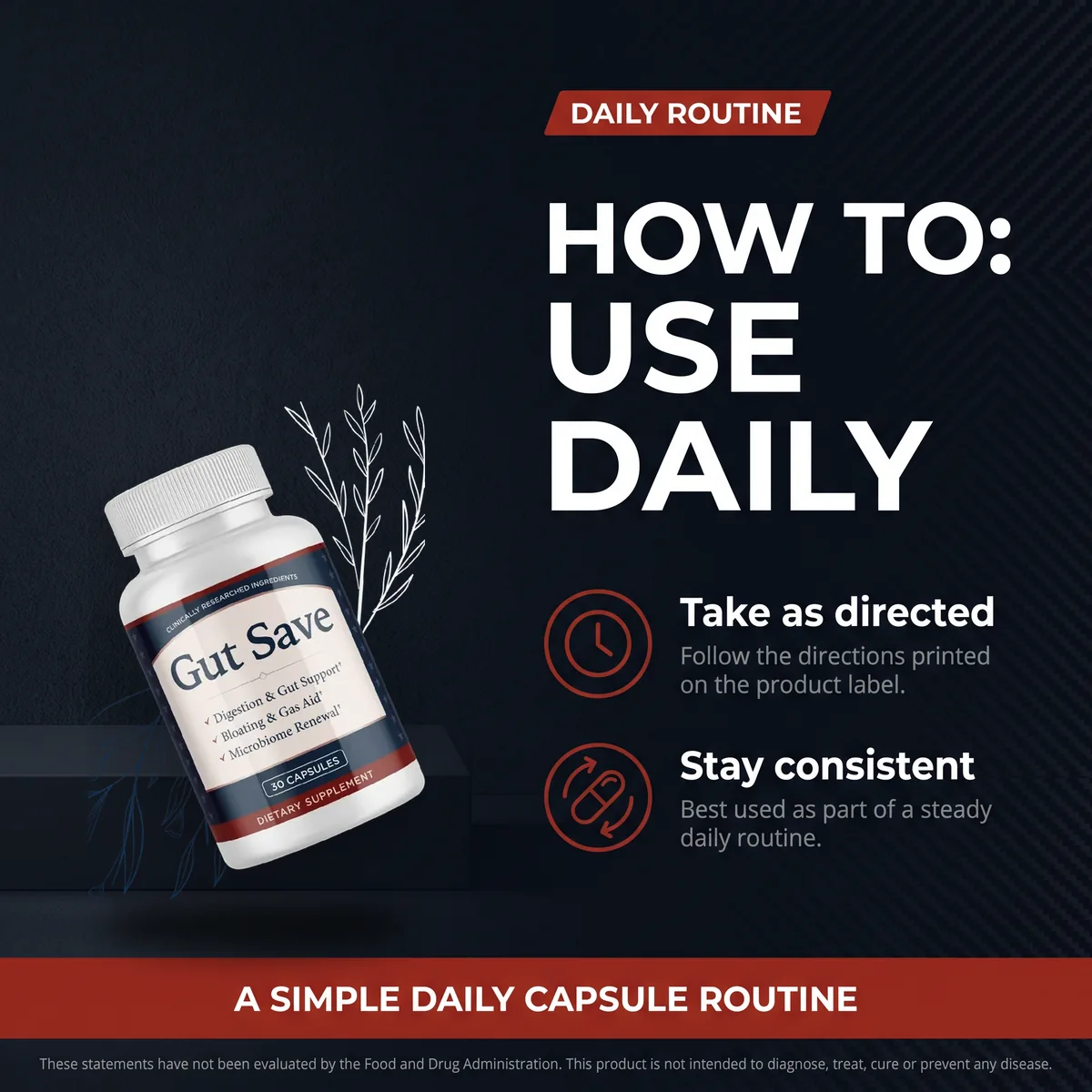
Different digestive ingredients do different jobs, and their ideal timing follows their mechanism. Understanding this once means you will never have to guess again.
Enzymes are proteins that break food into smaller pieces your body can absorb. Because they act on the meal in front of you, they need to be present while that food is in your stomach and small intestine — so the best time is just before, or at the start of, the meal you want help with. There is no benefit to “building them up” between meals; their value is meal-specific. This is why enzymes are the classic tool for a big, rich or unfamiliar dinner. If enzymes are your main interest, our comparison of probiotics vs digestive enzymes explains how they differ from live cultures. The clearest clinical example of meal-bound dosing is prescription pancreatic enzyme replacement, where guidance is explicit that the enzymes must be taken with food to work at all (Whitcomb et al., Gastroenterology, 2023) — over-the-counter plant enzymes follow the same logic on a smaller scale.
Probiotics are live cultures that support the gut microbiome cumulatively, over weeks. Unlike enzymes, they are not tied to a single meal, so the exact hour is far less important than doing it every day. Taking a meal alongside them can help buffer stomach acid, and pairing the dose with breakfast is simply the most reliable way to make it stick. The worst timing for a probiotic is the one you keep forgetting. Laboratory work modelling the human upper digestive tract found that probiotic survival through simulated gastric transit was highest when the cultures were given with or up to thirty minutes before a meal, and lowest on an empty stomach (Tompkins et al., Beneficial Microbes, 2011).
Marine collagen peptides are not time-sensitive — morning or night both work — and the same is true of most gut-supporting botanicals. Their benefit comes from steady daily intake rather than precise timing. In an all-in-one capsule, taking it with your first meal conveniently covers collagen and botanicals at the same moment as everything else.
For a combined daily formula, morning generally wins for practical reasons: breakfast is an easy anchor, it puts any enzyme component to work on your first real meal, and it front-loads the habit so it never slips to “I’ll do it later” and then never happens. Night can work perfectly well too — taken with dinner, for example — but for many people the evening is less predictable, and a skipped dose is the one thing that reliably undermines results.
There is one nuance worth knowing: if a formula contains anything you find stimulating or energising, morning is the safer bet. GutSave contains no stimulants and no harsh laxatives, so it does not carry that concern either way, but it is a sensible general rule when comparing products.
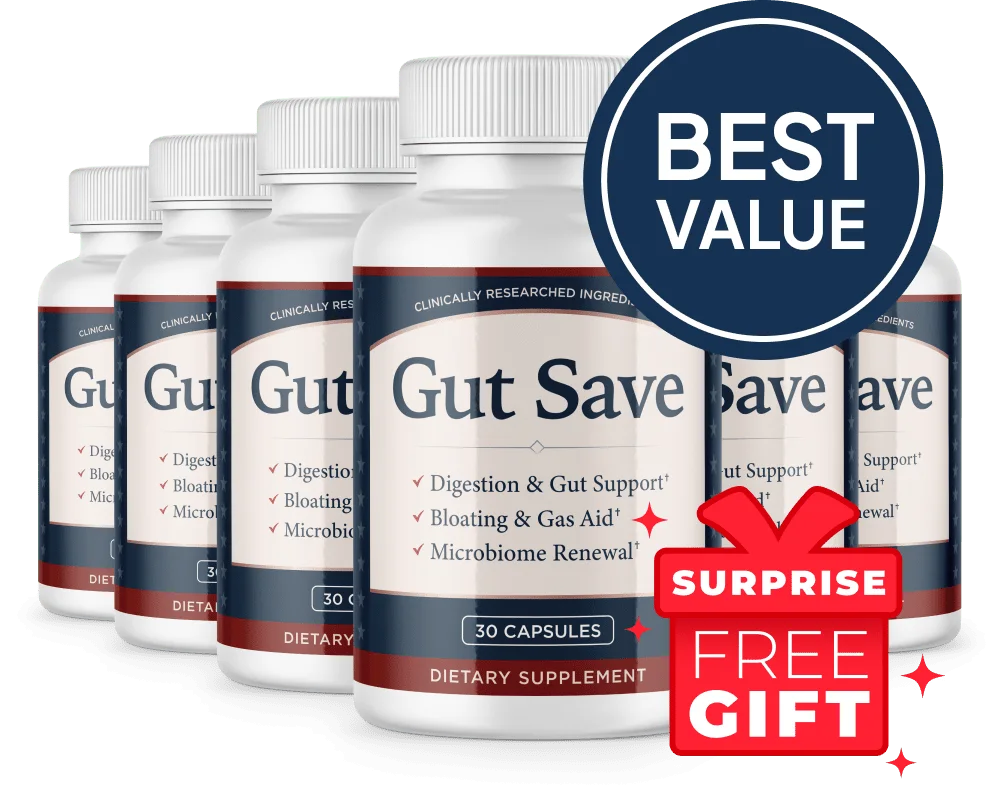
GutSave combines enzymes, botanicals, marine collagen and a 1.25-billion-CFU probiotic blend in a single daily capsule — take it with breakfast and you have covered every ingredient at once. 60-day money-back guarantee.
See GutSave PackagesFor most combined digestive supplements, with food is the safer, more useful choice. Food gives enzymes a meal to act on, buffers the stomach for probiotics, and prevents the mild queasiness some people feel taking capsules on an empty stomach. A few isolated ingredients are marketed for empty-stomach use, but unless a label specifically says so, taking a digestive formula with a meal is the sensible default. If a product ever leaves you uncomfortable taken alone, simply move it to your next meal — and if bloating is your main concern, pair good timing with the habits in our guide to reducing bloating after eating.
Timing only helps if you keep it up, so the real skill is habit design. A few tactics work reliably:
These small mechanics matter more than any timing trick, because the supplement that helps is the one that gets taken — which is part of why a simple once-a-day capsule works so well in practice, and you can check the current GutSave packages if you want that kind of routine. If you are still deciding whether a formula earns a place in your routine at all, our overview of whether digestive supplements are worth it is a good reality check.
Getting the timing right helps you get the most from a supplement, but it is not a substitute for the basics — eating slowly, sensible portions, enough fibre and water, and moving after meals. This article is general information, not medical advice, and digestive supplements are not intended to diagnose, treat or cure any condition. Always follow the directions on your specific product’s label, since formulas differ. If you are pregnant or breastfeeding, immunocompromised, taking medication, or managing a diagnosed digestive condition, check with a healthcare professional before starting anything, and seek medical advice for symptoms that are severe, persistent or worsening. For a formula built to be taken once a day with a meal, you can always see how GutSave fits your daily routine.
For most all-in-one daily formulas, the best time is with your first main meal of the day. Taking it with food and at a consistent time helps digestive ingredients act on a meal and makes the habit easy to keep, which matters more than the exact hour.
Digestive enzymes work best taken just before or at the start of a meal, so they are present while the food is being broken down. They act on that specific meal rather than building up over time.
Consistency matters far more than the exact time for probiotics. Many people take them with a meal at a fixed daily point, such as breakfast, because attaching them to an existing habit means they rarely get skipped.
Some ingredients are fine on an empty stomach, but many combined digestive formulas are gentler and more useful taken with food, especially those with enzymes or botanicals. If a product upsets your stomach empty, take it with your next meal.
Collagen peptides are not time-sensitive, so morning or night both work. The key is taking it daily and consistently. In an all-in-one capsule, taking it with your first meal conveniently covers collagen alongside the other ingredients.
† These statements have not been evaluated by the Food and Drug Administration. This product is not intended to diagnose, treat, cure or prevent any disease. This article is for general information only and is not medical advice — see a doctor about blood in the stool, unexplained weight loss, persistent or severe pain, or a sudden lasting change in bowel habit. Affiliate disclosure: GutSave.com is an independent guide and not the manufacturer or seller. Some links on this page are affiliate links, and we may earn a commission — at no extra cost to you — if you buy through them. This never changes the price you pay or what we write.