
Home › Blog › Papaya Enzyme vs Bromelain for Digestion
Comparison Guide| The short answer | Both papaya enzyme (papain) and bromelain are plant protease enzymes traditionally used to help break down protein-rich meals. Papain comes from papaya, bromelain from pineapple. Neither is universally better — the source matters less than taking it with your meal, consistently. |
| Reach for papaya enzyme if | You want a gentle, well-known plant enzyme, or you have a pineapple allergy that rules bromelain out. |
| Reach for bromelain if | You specifically want the pineapple-derived protease and have no pineapple allergy or blood-thinner interaction to worry about. |
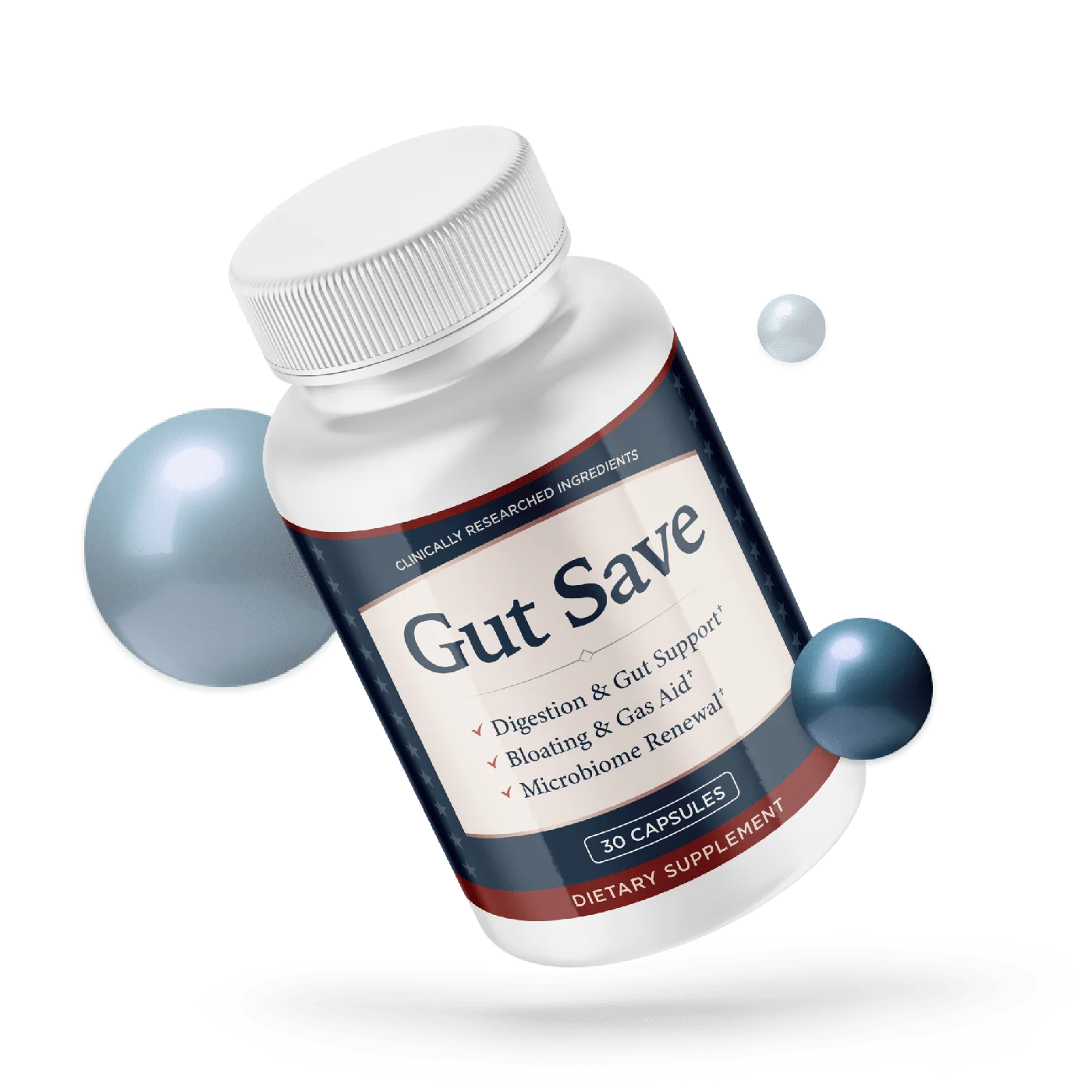
The papaya enzyme vs bromelain question comes up whenever someone wants a little extra help with heavy, protein-rich meals. Both are plant-derived protease enzymes — enzymes that help break down protein — and both have long histories of traditional use. Papaya enzyme, usually called papain, is drawn from the papaya fruit and its seeds; bromelain is extracted from the pineapple stem and fruit. They are often pitched as rivals, but they are better understood as two members of the same family. This guide explains where each comes from, what they are traditionally used for, how they differ in practice, and how to decide which belongs in your routine.
Your body already makes its own digestive enzymes — proteases for protein, amylases for starch, lipases for fat. Supplemental plant enzymes such as papain and bromelain are proteases, meaning their traditional role is to support the breakdown of protein. That is why enzyme components tend to be marketed for heavy, meaty, or unfamiliar meals rather than for everyday snacking. If you are unsure whether an enzyme is even the right category for your discomfort, our comparison of digestive enzymes vs antacids explains the difference between breaking food down and neutralising acid, which are two very different jobs.
Papain is the protease found in papaya. It has been used for generations in cooking — papaya has long been a traditional meat tenderiser precisely because papain acts on protein — and it appears in many digestive formulas as a gentle, familiar plant enzyme. In supplements you will see it listed as papain, papaya enzyme, or papaya seed powder, depending on which part of the fruit is used. The papaya seed in particular is a concentrated, traditionally valued part of the plant, which is why some formulas use seed powder rather than fruit pulp. Reviews of papain’s extraction and functional properties describe a broad-specificity plant protease that stays active across a wide pH range, which is the technical reason it has been used for so long as a meat tenderiser and a digestive aid (Choudhary et al., Journal of the Science of Food and Agriculture, 2025). A small clinical study of a standardised papaya preparation reported improvements in self-reported digestive discomfort, though it was modest in size and used a specific preparation rather than seed powder in general (Muss et al., Neuroendocrinology Letters, 2013).
Papain’s appeal is its track record and its gentleness. It is widely tolerated at typical supplement amounts, and its long culinary history makes it feel approachable. As with any enzyme, it is meant to be taken with the meal you want help with, not hours later.
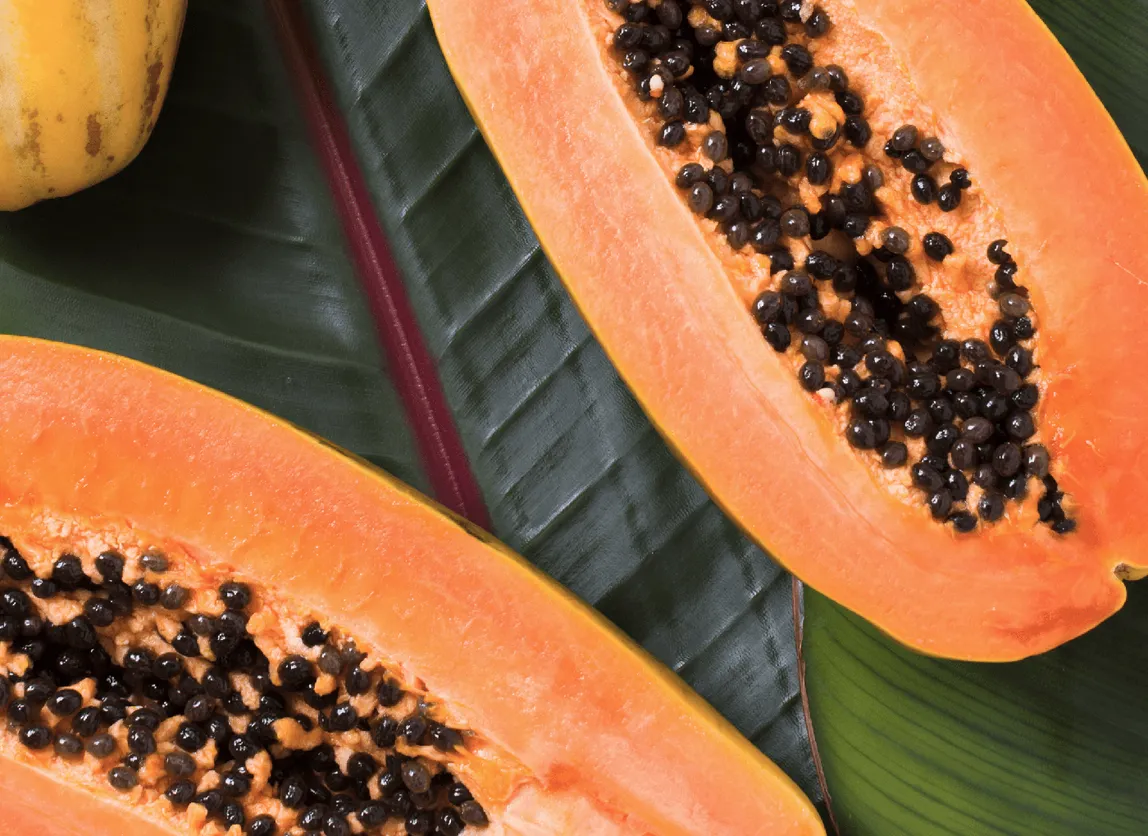
Bromelain is the protease complex extracted from pineapple, most concentrated in the stem. Like papain, it is a plant enzyme traditionally associated with breaking down protein, and it too has a culinary reputation — fresh pineapple is famously hard to set in gelatine because bromelain digests the protein. In supplement form it is a popular choice for people who want a pineapple-derived enzyme, and it is sometimes discussed for uses beyond digestion, though those fall outside the scope of general everyday gut support. Bromelain has an unusually large published literature for a food enzyme, covering its proteolytic activity and its investigation in areas well beyond digestion (Pavan et al., Biotechnology Research International, 2012; Kumar et al., Food & Function, 2023). The National Center for Complementary and Integrative Health keeps a plain-language bromelain summary that is a good reality check on how preliminary most of it is.
The practical thing to know about bromelain is its interaction profile. Bromelain may interact with blood-thinning medication and can provoke reactions in people who are allergic to pineapple. That does not make it unsafe for most people, but it is a reason to read the label and, if either applies to you, to check with a professional before starting.
Once you strip away the marketing, the two enzymes differ in a few concrete ways.
Papain comes from papaya; bromelain comes from pineapple. This is the difference that matters most for many shoppers. If you have a pineapple allergy, bromelain is off the table and papaya enzyme is the natural pick. Papaya products, meanwhile, may be a consideration for people with latex-fruit syndrome. Always match the source to your own allergen situation first.
Bromelain is the one more often flagged for interactions, particularly with blood thinners. Papain is generally considered gentle, but anyone on medication or with a bleeding concern should still ask a professional. The safer default for a general, no-fuss enzyme is often papain, simply because it carries fewer caveats for most people. That caution comes up repeatedly in the pharmacological reviews, alongside reports of allergic reactions in people sensitised to pineapple or latex (Pavan et al., Biotechnology Research International, 2012).
In a multi-ingredient supplement, the choice between papain and bromelain is usually made by the formulator to fit the rest of the recipe rather than because one is dramatically stronger. What you should check is that the enzyme is named and dosed, not buried in a vague “enzyme blend.” Our guide to how to choose a digestive supplement covers how to spot that transparency on any label.
See a papaya-enzyme formula with a fully-disclosed label →
For most people looking for general, everyday help with heavier meals, the decision comes down to source and tolerance rather than a dramatic performance gap. Choose papaya enzyme if you want a gentle, well-known plant protease with few caveats, or if a pineapple allergy rules bromelain out. Choose bromelain if you specifically want the pineapple-derived enzyme and have no allergy or blood-thinner interaction to consider. Either way, the enzyme only does its job if you take it with the meal and stick with it — a point we cover in the best time to take a digestive supplement.
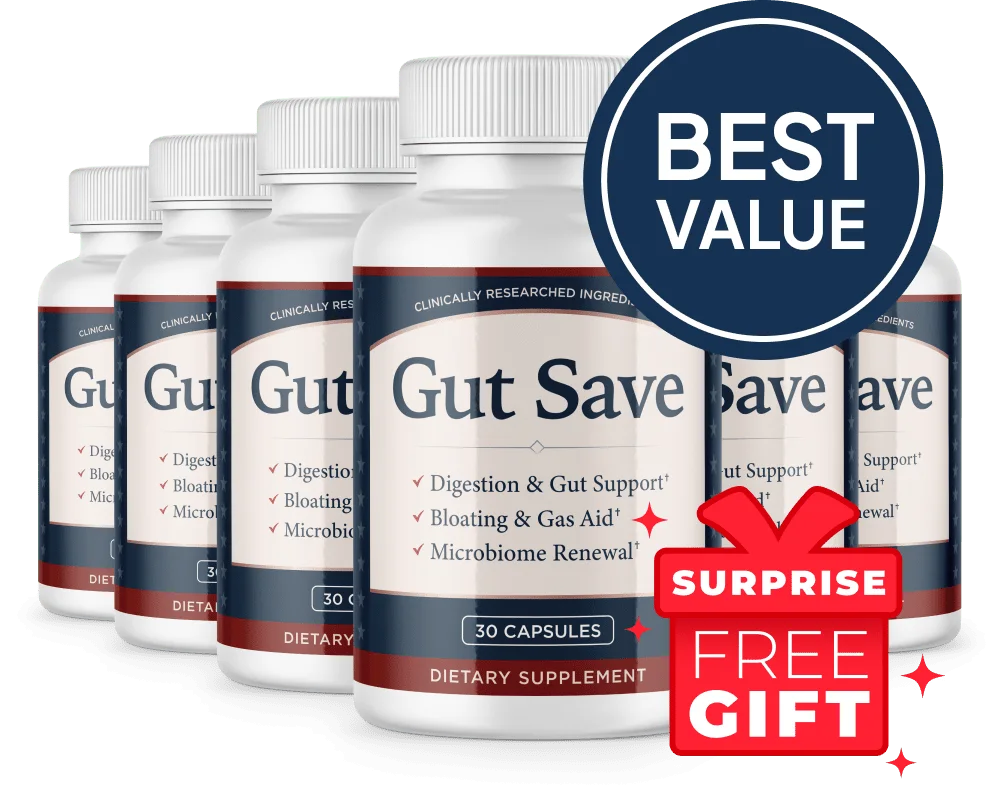
GutSave uses papaya seed powder (Carica papaya) as its plant-enzyme component, paired with marine collagen, Ceylon cinnamon, Irish sea moss and a named probiotic blend — every ingredient and amount printed on the label, in one capsule a day.
See GutSave PackagesTo make the comparison concrete, it helps to see a real, disclosed label. GutSave uses papaya seed powder (Carica papaya L.) at 45 mg as its plant-enzyme component rather than bromelain, which keeps the formula friendly to people with a pineapple allergy. That papaya component sits alongside 300 mg of marine collagen, Ceylon cinnamon, Irish sea moss, black cumin seed and a named multi-strain probiotic blend, all in one capsule a day. Every ingredient and amount is printed on the panel, so you can see exactly which enzyme you are getting and how much. Whether or not GutSave is your choice, a label that names its enzyme source and dose is exactly what to look for. If you are curious how enzymes stack up against living cultures, see probiotics vs digestive enzymes.
Yes — some enzyme blends deliberately combine papain and bromelain because they are complementary plant proteases. There is nothing inherently problematic about the pairing for most people. The usual cautions still apply: if you have a pineapple or latex-fruit allergy, or you take blood thinners, run the combination past a healthcare professional first. As always, more ingredients on a label is not the same as a better product; a single, well-dosed, clearly-named enzyme can be perfectly sufficient for general everyday support.
Enzyme supplements are for general wellbeing, not for treating illness. If your discomfort is severe, persistent or worsening, or comes with red flags such as unexplained weight loss, blood in the stool, fever or ongoing pain, see a doctor before self-treating. The same goes if you are pregnant, breastfeeding, on prescription medication (especially blood thinners), or managing a diagnosed condition. Choosing between papaya enzyme and bromelain is a small, sensible decision — match it to your allergen profile, take it with your meal, and give it a fair, consistent trial.
Papaya enzyme (papain) comes from the papaya fruit and its seeds; bromelain comes from the pineapple stem and fruit. Both are plant protease enzymes traditionally used to help break down protein-rich foods, but they come from different sources and have slightly different profiles.
Neither is universally better. Both are proteases used to support the breakdown of heavier, protein-rich meals. Papain is well known from papaya, bromelain from pineapple, and many formulas include one or the other based on the overall recipe. Consistency and taking it with the meal matter more than the source.
Yes, some enzyme blends combine papain and bromelain because they are both plant proteases with complementary profiles. If you have a pineapple or latex-fruit allergy, or take blood-thinning medication, check with a healthcare professional first, as bromelain in particular can interact.
Both are generally well tolerated at typical supplement amounts. Some people notice mild digestive upset. Bromelain may interact with blood thinners and can trigger reactions in people with pineapple allergies; papaya products can affect those with latex-fruit sensitivity. When in doubt, ask a professional.
GutSave includes papaya seed powder (Carica papaya) as its plant-enzyme component, alongside marine collagen, Ceylon cinnamon, Irish sea moss and a named probiotic blend, in one capsule a day. It does not use bromelain.
† These statements have not been evaluated by the Food and Drug Administration. This product is not intended to diagnose, treat, cure or prevent any disease. This article is for general information only and is not medical advice — see a doctor about blood in the stool, unexplained weight loss, persistent or severe pain, or a sudden lasting change in bowel habit. Affiliate disclosure: GutSave.com is an independent guide and not the manufacturer or seller. Some links on this page are affiliate links, and we may earn a commission — at no extra cost to you — if you buy through them. This never changes the price you pay or what we write.