
Home › Blog › How Long Do Digestive Supplements Take to Work
Common Questions| In one line | It depends on the ingredient: enzymes can help within a single meal, while probiotics, collagen and fibre-based support need four to eight weeks of daily use to judge fairly. |
| Enzymes | Meal-by-meal — effects are tied to the meal you take them with, not built up over time. |
| Probiotics & collagen | Cumulative — give them a consistent 4 to 8 weeks before deciding. |
| Fair trial length | 8 to 12 weeks, taken daily and as directed, is a sensible window before you stop. |
It is the question everyone asks a week in: “how long do digestive supplements take to work?” The honest answer is that there is no single timeline, because a digestive supplement is really several different tools bundled together — and each one works on its own clock. An enzyme can help with tonight’s dinner; a probiotic is playing a longer game measured in weeks. This guide gives you a realistic, ingredient-by-ingredient timeline, tells you what to expect week by week, and explains how to tell the difference between “needs more time” and “not working for me.”
The reason timelines vary so much is that digestive ingredients act through completely different mechanisms. Some work on the food in front of you in real time. Others gently shift the balance of an ecosystem — your gut microbiome — that took years to form and does not change overnight. Grouping them all under “digestive supplement” hides that difference, which is exactly why so many people quit too early on an ingredient that simply needed longer, or expect a slow-building probiotic to behave like an instant remedy. Knowing which mechanism you are dealing with sets your expectations correctly from day one.
Enzymes are the fast responders. Because they act on the food you are eating — breaking proteins, fats and carbohydrates into absorbable pieces — any benefit is tied to that specific meal, not built up over days. Taken just before or with a heavy dinner, an enzyme does its work then and there. This meal-by-meal behaviour is the key thing that separates enzymes from every other ingredient here, and it is covered in more depth in our comparison of probiotics vs digestive enzymes.

Probiotics are the classic slow burn. They support a gradual shift toward a more balanced microbiome, so you do not feel them “kick in” after one capsule. Some people notice changes in gas or regularity within one to two weeks, but a fairer window is four to eight weeks of consistent daily use. The most common mistake is judging a probiotic after a few days and concluding it does nothing — it simply had not had time to build up. There is a biological reason the effect is not instant and not universal: a human study sampling both stool and gut mucosa found that whether an ingested probiotic colonises at all is highly person-specific, shaped by the microbiome already in place (Zmora et al., Cell, 2018).
Collagen peptides are also cumulative. Any support they offer the gut lining and connective tissue comes from steady daily intake over weeks, not from a single dose. Treat collagen like a habit you are investing in, and reassess after a month or more rather than after a few days.
Fibre-based support sits in between. Changes to regularity can appear within days, but there is often a short adjustment period of extra gas as your gut bacteria adapt — which is why fibre should be increased gradually. Once you are past that adjustment, the benefits are ongoing. We cover the same slow-ramp principle in our guide to reducing bloating after eating. Randomised trials of fibre supplementation for chronic constipation typically run for weeks rather than days before measuring stool frequency and consistency, which is a fair guide to how long to give it yourself (van der Schoot et al., The American Journal of Clinical Nutrition, 2022).
For a combined daily formula, here is roughly what a sensible timeline looks like:
Two people can take the same formula and reach the judging point at different times, and the reasons are usually practical rather than mysterious. Things that help results show sooner include taking the supplement consistently at the same daily moment, taking it with food where the label suggests, drinking enough water, and eating a reasonably fibre-rich diet that gives the microbiome something to work with. Things that push the timeline back include frequent skipped days, very low fibre intake, a period of high stress or poor sleep (both of which influence digestion), and starting several new supplements at once so you cannot tell what is doing what. If you want to judge a single product fairly, change one thing at a time and keep the rest of your routine steady for the trial period.

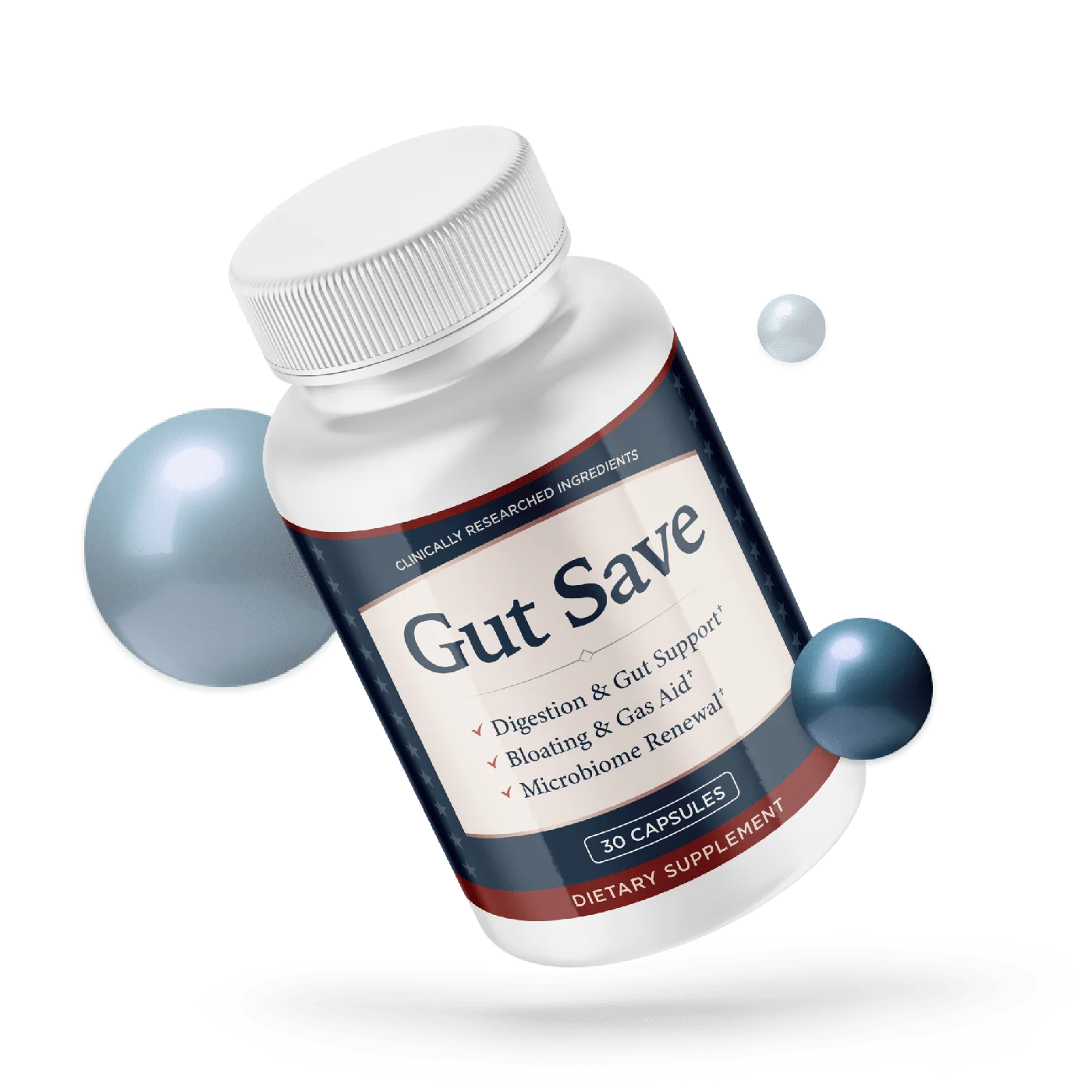
Because microbiome support builds over weeks, a multi-month supply makes a fair trial easy — and cheaper per day. GutSave is one capsule a day with a 60-day money-back guarantee, so you can give it a proper run with nothing to lose.
See GutSave PackagesIf you are past a couple of weeks and feeling nothing, run through this checklist before giving up: It is also worth checking that you picked the right tool: consensus recommendations for probiotics attach to named strains and specific symptoms, so a mismatch between your goal and the strains on the label can look exactly like “it did not work” (Hungin et al., Alimentary Pharmacology & Therapeutics, 2018). If you have not yet, read whether daily use is safe long term before you extend the trial.
A sensible rule is to commit to eight to twelve weeks of consistent, as-directed use before making a final call. That is long enough for microbiome-based ingredients to show what they can do, yet short enough that you are not indefinitely paying for something that clearly is not helping. Buying a multi-month supply up front makes this easier, both because it removes the temptation to stop early and because it usually lowers the cost per day — you can compare the GutSave multi-bottle packages to see how the per-day cost drops on the larger options. If you are still weighing up whether the whole category is right for you, our honest look at whether digestive supplements are worth it lays out who tends to benefit most.
Patience is the theme of this whole article, but patience is not the same as ignoring your body. This is general information, not medical advice, and digestive supplements are not intended to diagnose, treat or cure any condition. If you are pregnant or breastfeeding, immunocompromised, taking medication, or managing a diagnosed digestive condition, check with a healthcare professional before starting, and seek medical advice for symptoms that are severe, persistent or worsening rather than waiting out a timeline. Used sensibly on top of good habits, most digestive support is a slow, steady investment — and if you want a once-daily formula built for a fair, multi-week trial, you can see how GutSave fits your routine.
It depends on the ingredient. Digestive enzymes can act within a single meal, while probiotics, collagen and fibre-based support usually need consistent daily use over four to eight weeks before you can fairly judge the effect.
Probiotics work cumulatively. Some people notice changes in gas or regularity within one to two weeks, but four to eight weeks of daily use is a fairer window to judge whether a probiotic suits you.
Enzymes act during the meal they are taken with, so any effect is meal-specific rather than gradual. This is why they are taken just before or with a meal, especially a large or rich one.
Common reasons include not giving it enough time, taking it inconsistently, expecting an enzyme-style instant effect from a probiotic, or underdosed ingredients. Give it a consistent four to eight weeks and check the label doses before deciding.
A reasonable trial is eight to twelve weeks of consistent daily use, taken as directed. That is long enough for microbiome-based support to show, while not so long that you keep paying for something that clearly is not helping you.
† These statements have not been evaluated by the Food and Drug Administration. This product is not intended to diagnose, treat, cure or prevent any disease. This article is for general information only and is not medical advice — see a doctor about blood in the stool, unexplained weight loss, persistent or severe pain, or a sudden lasting change in bowel habit. Affiliate disclosure: GutSave.com is an independent guide and not the manufacturer or seller. Some links on this page are affiliate links, and we may earn a commission — at no extra cost to you — if you buy through them. This never changes the price you pay or what we write.