
Home › Blog › Are Digestive Supplements Worth It?
Common Questions| The honest answer | They can be worth it for the right person and goal, used consistently as support — but they are not cures and not a substitute for good eating habits. |
| Best value when | You have a clear, everyday goal (like less bloating), you choose a transparent formula, and you give it a fair 4–8 week trial. |
| Poor value when | You expect an overnight fix, ignore the basics of diet and sleep, or buy a product that hides its doses behind a proprietary blend. |
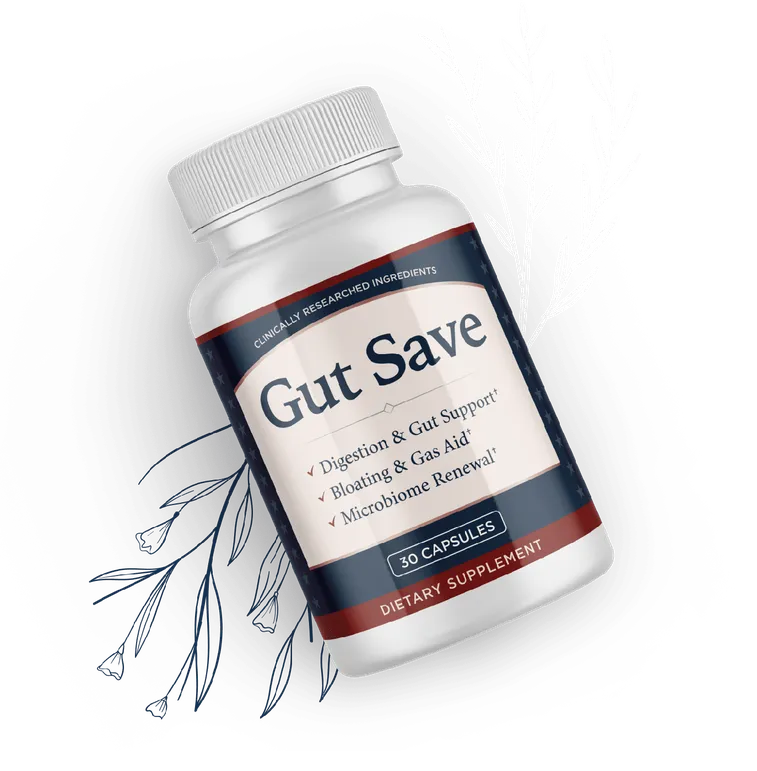
Are digestive supplements worth it? It is one of the most sensible questions you can ask before spending money on a category that is full of big promises — and the honest answer is “it depends, and here is exactly what it depends on.” This FAQ-style guide gives a straight assessment of what these products can and cannot do, who tends to get the most from them, how long to give one a fair trial, and how to tell genuine value from marketing. No hype, no miracle claims.
A digestive supplement can be worth it for the right person, with the right goal, used consistently as one part of good habits. It is not worth it if you expect it to cancel out a poor diet, deliver an overnight transformation, or cure a medical condition. In other words, the value is real but conditional — and most of the conditions are within your control.
Used well, these products are supportive tools. A daily probiotic may, over weeks, support a more balanced microbiome and steadier day-to-day comfort. Enzyme ingredients such as papaya-derived papain are traditionally used to help the body handle heavy, protein-rich meals. Botanicals like Ceylon cinnamon and ingredients like marine collagen are included for their traditional and structural support of comfortable digestion and the gut lining. The common thread is “support” — gentle, cumulative help rather than a dramatic intervention. The strongest version of that claim comes from the fibre literature rather than the marketing: a meta-analysis of randomised trials found that fibre supplementation improved stool frequency and consistency in adults with chronic constipation, an effect size you can actually point to (van der Schoot et al., The American Journal of Clinical Nutrition, 2022).
Just as important is knowing the limits. Supplements are not medicines. They cannot diagnose, treat, cure or prevent disease, and any product claiming otherwise is breaking the rules and misleading you. They will not undo the effects of consistently eating too fast, too much, or too poorly. And they are not a shortcut around medical care for real symptoms. If you keep those boundaries in mind, you will avoid the disappointment that makes people declare the whole category “a waste of money.” The American Gastroenterological Association’s clinical practice update on bloating and distention is worth reading precisely because a supplement appears nowhere near the top of its management hierarchy (Moshiree et al., Gastroenterology, 2023), and the international consensus on probiotics for lower gastrointestinal symptoms is careful to attach any recommendation to a specific strain and a specific symptom rather than to the shelf as a whole (Hungin et al., Alimentary Pharmacology & Therapeutics, 2018).

Some people get far more out of digestive supplements than others. The best fit tends to be someone with mild but ongoing everyday concerns — occasional bloating, gas, a gut that feels unsettled when routine changes — who wants steady support rather than a fix for a serious problem. People who often eat out, travel, or eat rich unfamiliar food also tend to notice the difference, because those are exactly the situations that stress digestion. By contrast, someone with severe, persistent or worsening symptoms is better served by a doctor than by any supplement.
Here is the advice the supplement industry rarely leads with: the basics come first. Eating slowly, keeping portions sensible, getting enough fibre and water, and taking a short walk after meals resolve a surprising amount of everyday discomfort at no cost. A supplement is genuinely worth it only as support on top of those habits, never as a replacement for them. If bloating is your main issue, start with our practical guide to reducing bloating after eating, then decide whether a daily formula adds anything on top. If you want a starting point that costs nothing, the guidance on whether digestive supplements are safe to take every day and a food-first read of the evidence will both take you further than a second bottle.
One of the most common reasons people conclude a supplement “didn’t work” is that they judged it after a few days. Timing depends on the ingredient. Enzymes act meal by meal, so their effect is immediate but meal-specific. Probiotics and botanicals build up gradually, and most people should give them a consistent 4 to 8 week trial before deciding. This is also why a 60- or 90-day money-back guarantee is so valuable: it gives you enough runway to test a product properly and get your money back if it does not deliver.
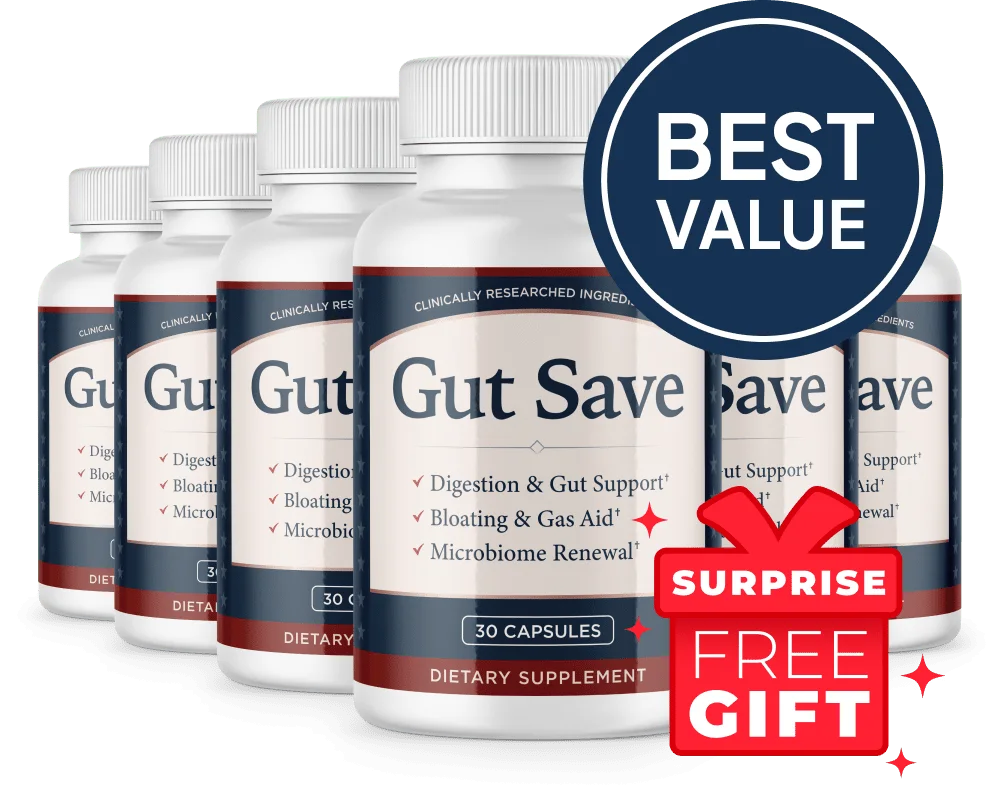
GutSave combines marine collagen, Ceylon cinnamon, Irish sea moss, papaya seed and a 1.25-billion-CFU probiotic blend in a single daily capsule — every dose disclosed, backed by a 60-day money-back guarantee so you can give it a fair trial.
See GutSave Packages“Worth it” ultimately comes down to value, and value is easy to assess once you ignore the sticker price. Work out the cost per day, not per bottle, and weigh it against what the label actually delivers: disclosed doses, named probiotic strains and CFU count, quality manufacturing, and a guarantee. A transparent, well-dosed product at a fair daily cost is worth far more than a cheap bottle that hides its ingredients. Our full buyer’s checklist for digestive supplements walks through every line to check, and if you are weighing specific ingredient types, our comparison of probiotics vs digestive enzymes helps you match the formula to your goal. The same arithmetic applies to any format: a scoop of marine collagen against bone broth is a cost-per-gram comparison long before it is a health comparison.
The clearest signs a product is not worth it: miracle-cure language, doses hidden inside a “proprietary blend,” missing CFU counts or strain names, no company address, and no refund policy. Any one of these is a caution; several together mean walk away. A brand confident in its formula shows you the numbers and stands behind them with a guarantee — the exact opposite of the hype that gives the category a bad name.
If you are still on the fence, run a small experiment instead of debating it in the abstract. Pick one transparent product that has a money-back guarantee, write down your two or three most bothersome everyday symptoms and roughly how often they occur, then take it consistently for a full month while keeping the rest of your routine steady — same diet, same sleep, same exercise. At the end, compare honestly against your starting notes. If you notice a worthwhile difference, the product has earned its place; if not, the guarantee means you can step away without losing money. This turns “are they worth it?” from a guess into a personal, low-risk answer — which is really the only answer that counts. It also protects you from the two most common mistakes: quitting too early to see a probiotic’s cumulative effect, and crediting a supplement for changes that actually came from an unrelated tweak to your routine.
So, are digestive supplements worth it? For someone with a clear everyday goal, realistic expectations, good baseline habits, and a transparent product given a fair trial — yes, they can be a worthwhile piece of the puzzle. For someone chasing an overnight cure or hoping to out-supplement a poor diet, no. The difference is not really about the supplements at all; it is about how thoughtfully you choose and use them. If that sounds like a fit, you can see how one fully-disclosed, once-daily option is put together on the GutSave overview. And whatever you decide, take any severe or persistent symptoms to a healthcare professional rather than to the supplement aisle.
They can be worthwhile for people with a clear everyday goal, such as reducing bloating or supporting a balanced microbiome, when used consistently as part of good habits. They are not cures and cannot replace a sensible diet, so value depends on realistic expectations and choosing a transparent, well-dosed product.
People with mild, ongoing everyday concerns, those who often eat out or travel, and anyone wanting to support a balanced microbiome tend to benefit most. People with severe or persistent symptoms should see a doctor rather than rely on supplements.
It depends on the ingredient. Enzymes act meal by meal, while probiotics and botanicals build up over weeks. A fair trial is usually 4 to 8 weeks of consistent daily use before deciding whether it is worth continuing.
Diet comes first. Eating slowly, sensible portions, enough fibre and water, and moving after meals address many everyday issues without any supplement. A supplement is best seen as extra support on top of those basics, not a replacement for them.
Warning signs include miracle-cure claims, hidden doses behind a proprietary blend, no named probiotic strains or CFU count, no company address, and no refund policy. A trustworthy product discloses its doses, names its ingredients, and offers a money-back guarantee.
Most well-made digestive supplements are intended for daily use and are generally well tolerated. Still, check the allergen information, follow the directions, and consult a healthcare professional if you are pregnant, breastfeeding, on medication, or managing a medical condition.
† These statements have not been evaluated by the Food and Drug Administration. This product is not intended to diagnose, treat, cure or prevent any disease. This article is for general information only and is not medical advice — see a doctor about blood in the stool, unexplained weight loss, persistent or severe pain, or a sudden lasting change in bowel habit. Affiliate disclosure: GutSave.com is an independent guide and not the manufacturer or seller. Some links on this page are affiliate links, and we may earn a commission — at no extra cost to you — if you buy through them. This never changes the price you pay or what we write.