
Home › Blog › Are Digestive Supplements Safe to Take Every Day
Common Questions| The short answer | For most healthy adults, a well-made digestive supplement taken at the labelled dose is generally considered safe for daily use — and many are specifically designed to be taken every day. Follow the suggested use and don’t exceed the dose. |
| Check with a professional if | You are pregnant or breastfeeding, taking prescription medication, immunocompromised, or managing a diagnosed condition. |
| Good daily-use habits | Start one product at a time, take it with water (and food where advised), and review every couple of months whether it still helps. |
“Are digestive supplements safe to take every day?” is a fair and sensible question — anything you plan to take daily deserves a second look. The reassuring news is that most well-made digestive supplements are designed for exactly that: consistent, everyday use. Probiotics, plant enzymes, fibre and collagen generally build their supportive effect gradually rather than in a single dose, which is precisely why daily use is the norm rather than the exception. That said, “generally safe” is not the same as “right for everyone,” so this guide answers the common worries plainly: dependency, side effects, how long you can keep taking one, and who should check with a professional first.
Digestive supplements are supportive products, not quick fixes. A probiotic works by contributing live cultures to your system on an ongoing basis; a plant enzyme helps with the specific meal you take it with; collagen and fibre contribute their building blocks or bulk over time. None of these are designed to transform anything after one capsule. That is why the labels of most everyday formulas say “take daily,” and why a few days of use tells you very little. If you want a realistic sense of the timeline, our guide on how long digestive supplements take to work lays it out ingredient by ingredient.
This is the worry we hear most, and for the common everyday ingredients the answer is reassuring. For probiotics, plant enzymes and collagen, there is no good evidence that daily use creates a physical dependency — stopping does not leave your digestion worse than before you started; it simply returns to its own baseline without the supportive ingredient. The important exception is stimulant laxatives, which are a different category of product entirely and can lead to reliance with prolonged overuse. Everyday supportive supplements are not the same thing. Still, if the question of dependency matters to you, it is a perfectly good one to raise with a pharmacist or doctor. The international consensus definition of a probiotic assumes ongoing administration of live micro-organisms “in adequate amounts” rather than a course you taper off, which is a useful reminder that these are foods-in-capsule-form, not drugs with a withdrawal profile (Hill et al., Nature Reviews Gastroenterology & Hepatology, 2014).
Most people tolerate a well-made digestive supplement well over the long term. When side effects do occur, they tend to be mild, temporary, and concentrated in the first week or two. Probiotics and fibre can cause a little extra gas or bloating as your system adjusts, which usually settles. Enzymes are generally gentle. A few sensible habits keep the odds in your favour: introduce one new product at a time so you can tell what agrees with you, start at the labelled dose rather than doubling up, and take it with water and, where advised, with food. If a product consistently disagrees with you, that is useful information — stop and reassess rather than pushing through. Large evidence syntheses of probiotic trials in adults and children report that adverse events are generally uncommon and mild in otherwise healthy participants, while noting that trial reporting of harms is itself often poor (Goldenberg et al., Cochrane Database of Systematic Reviews, 2017). An evidence-based international consensus on probiotics for lower gastrointestinal symptoms reaches the same practical conclusion, and stresses that any benefit belongs to a named strain rather than to the whole category (Hungin et al., Alimentary Pharmacology & Therapeutics, 2018).
Safe everyday use starts with a transparent label. The things worth checking before you commit to a daily habit are the suggested-use instructions, the disclosed doses of each active, the allergen line, and the quality standard the product is made to. A formula that hides its amounts in a proprietary blend makes it impossible to judge whether daily use is sensible. Our buyer’s checklist on how to choose a digestive supplement walks through each of these label details, and it applies doubly when you plan to take something every day.
Daily use makes the allergen line especially important. Digestive formulas can include milk-derived colostrum, fish-derived collagen, shellfish, soy or wheat. If you are avoiding a specific allergen, confirm the “contains” statement before making the product a fixture in your routine.
“Safe every day” assumes you take the labelled amount. More is not better with supplements; the suggested use reflects how the product was designed to be taken. Doubling up to “speed things along” is the most common self-inflicted cause of upset.
See a once-daily formula with a fully-disclosed label →
Supplements are for general wellbeing, not for treating illness, and a few groups should always get personalised advice before starting a daily routine. Check with a healthcare professional first if you are pregnant or breastfeeding, taking prescription medication, immunocompromised, preparing for surgery, or managing a diagnosed condition. And if your symptoms are severe, persistent or worsening, or come with red flags such as unexplained weight loss, blood in the stool, fever or ongoing pain, see a doctor rather than self-treating — a daily supplement is not the right response to a warning sign. Live-culture products in particular deserve a conversation first if you are immunocompromised, seriously ill or have a central line, which is the caution the National Center for Complementary and Integrative Health repeats in its probiotics safety overview.

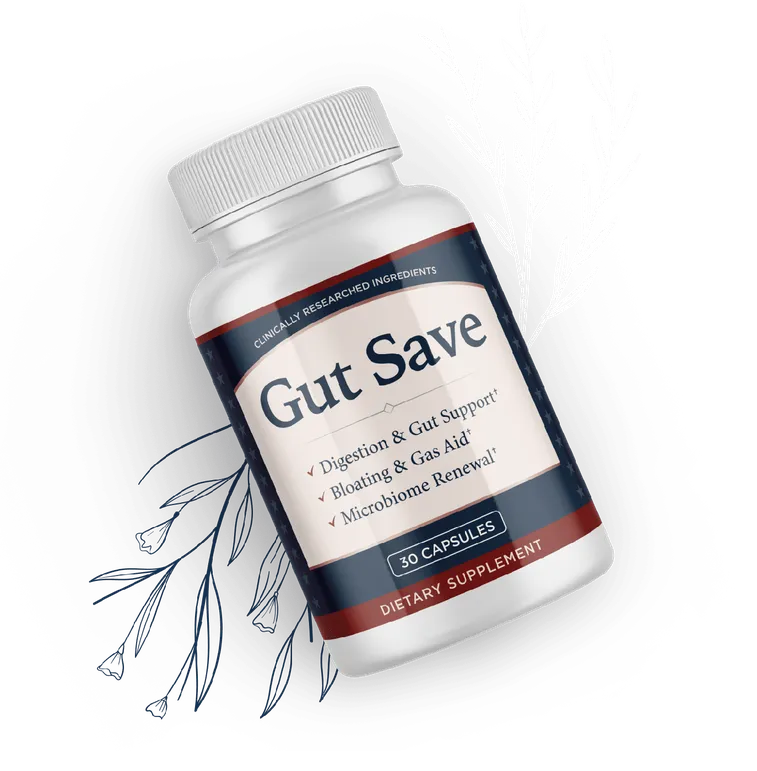
GutSave is designed to be taken every day — one capsule with water — pairing marine collagen, Ceylon cinnamon, Irish sea moss and papaya seed powder with a named 1.25-billion-CFU probiotic blend, all fully disclosed on the label with a 60-day money-back guarantee.
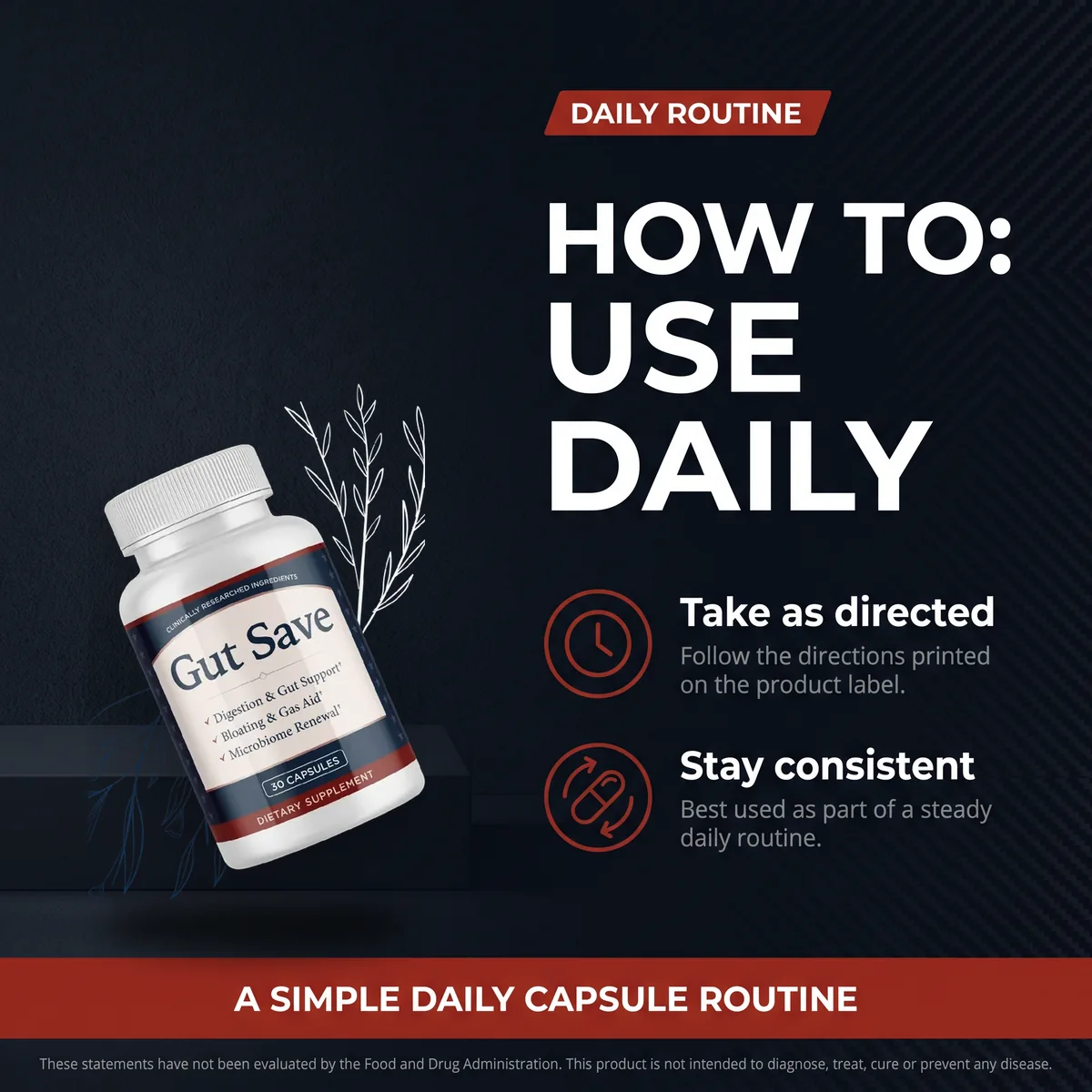
See GutSave PackagesTo make this concrete, it helps to see a formula built around daily use. GutSave is a once-daily capsule — the suggested use is one capsule with 6–8 oz of water — and every active is printed on the label with its exact amount, including a named multi-strain probiotic blend, marine collagen, Ceylon cinnamon, Irish sea moss and papaya seed powder. It lists its allergen (milk), is made in the USA to GMP standards, and comes with a 60-day money-back guarantee, which is well suited to a product meant to be taken over weeks. The once-daily design is deliberate: consistency is what makes supportive ingredients worthwhile, and a single easy capsule is far easier to keep up than a multi-dose regimen. If you are still weighing whether a daily supplement earns its place at all, our honest take on whether digestive supplements are worth it is a good next read.
Before you make any supplement a daily habit, run through this: confirm the suggested dose and stick to it; check the allergen line fits your diet; introduce it on its own so you can judge how it agrees with you; take it with water and, where advised, food; and set a reminder to review after a couple of months whether it is still helping and worth the cost. Do those five things and daily use becomes a considered choice rather than an autopilot one — which is exactly how supplements are meant to be taken.
For most healthy adults, a well-made digestive supplement taken at the labelled dose is generally considered safe for daily use, and many are designed to be taken every day. Follow the suggested use, do not exceed the dose, and check with a healthcare professional if you are pregnant, breastfeeding, on medication, or managing a health condition.
For probiotics, enzymes and collagen, there is no good evidence that daily use creates a physical dependency. A possible exception is stimulant laxatives, which are a different category and can cause reliance with overuse. Everyday supportive supplements are not the same thing, but any concern is worth raising with a professional.
Most people tolerate them well. Some notice mild, temporary effects when starting — a little extra gas or bloating with probiotics or fibre, for example — which often settle within a couple of weeks. Introducing one product at a time, starting low, and taking it with water and food reduces the chance of upset.
Many digestive supplements are intended for ongoing daily use, and there is no fixed stop date for a well-made product taken as directed. Periodically review whether it is still helping and worth the cost, and check with a professional for long-term use if you have any underlying condition.
Yes. GutSave is a once-daily formula — one capsule with water — designed for consistent everyday use, because its probiotic and botanical ingredients build their effect gradually through daily use rather than a single dose.
† These statements have not been evaluated by the Food and Drug Administration. This product is not intended to diagnose, treat, cure or prevent any disease. This article is for general information only and is not medical advice — see a doctor about blood in the stool, unexplained weight loss, persistent or severe pain, or a sudden lasting change in bowel habit. Affiliate disclosure: GutSave.com is an independent guide and not the manufacturer or seller. Some links on this page are affiliate links, and we may earn a commission — at no extra cost to you — if you buy through them. This never changes the price you pay or what we write.