
Home › Blog › Marine Collagen vs Bone Broth for Gut Health
Comparison Guide| The short answer | Both deliver collagen. Marine collagen is a purified, hydrolysed peptide from fish with a precise, convenient dose; bone broth is a nourishing whole food with a variable, harder-to-measure amount. Neither is universally better — it depends on whether you value a measured dose or a food-based ritual. |
| Choose marine collagen if | You want a consistent, known daily dose that is quick and taste-neutral (and you have no fish allergy). |
| Choose bone broth if | You enjoy a warming whole food and don’t mind that the collagen amount varies batch to batch. |
The marine collagen vs bone broth question is really a question about how you prefer to get the same core nutrient. Both are popular ways to add collagen to a routine for gut support, and both have devoted followings. The difference is not so much what they contain as how they deliver it: one is a purified, measured peptide, and the other is a whole food you simmer at home. This guide compares them fairly across the factors that actually decide the matter — dose and consistency, convenience, taste, allergens, cost and sustainability — so you can pick the one that fits your life, or decide to use both.
It helps to be precise about the two products before comparing them.
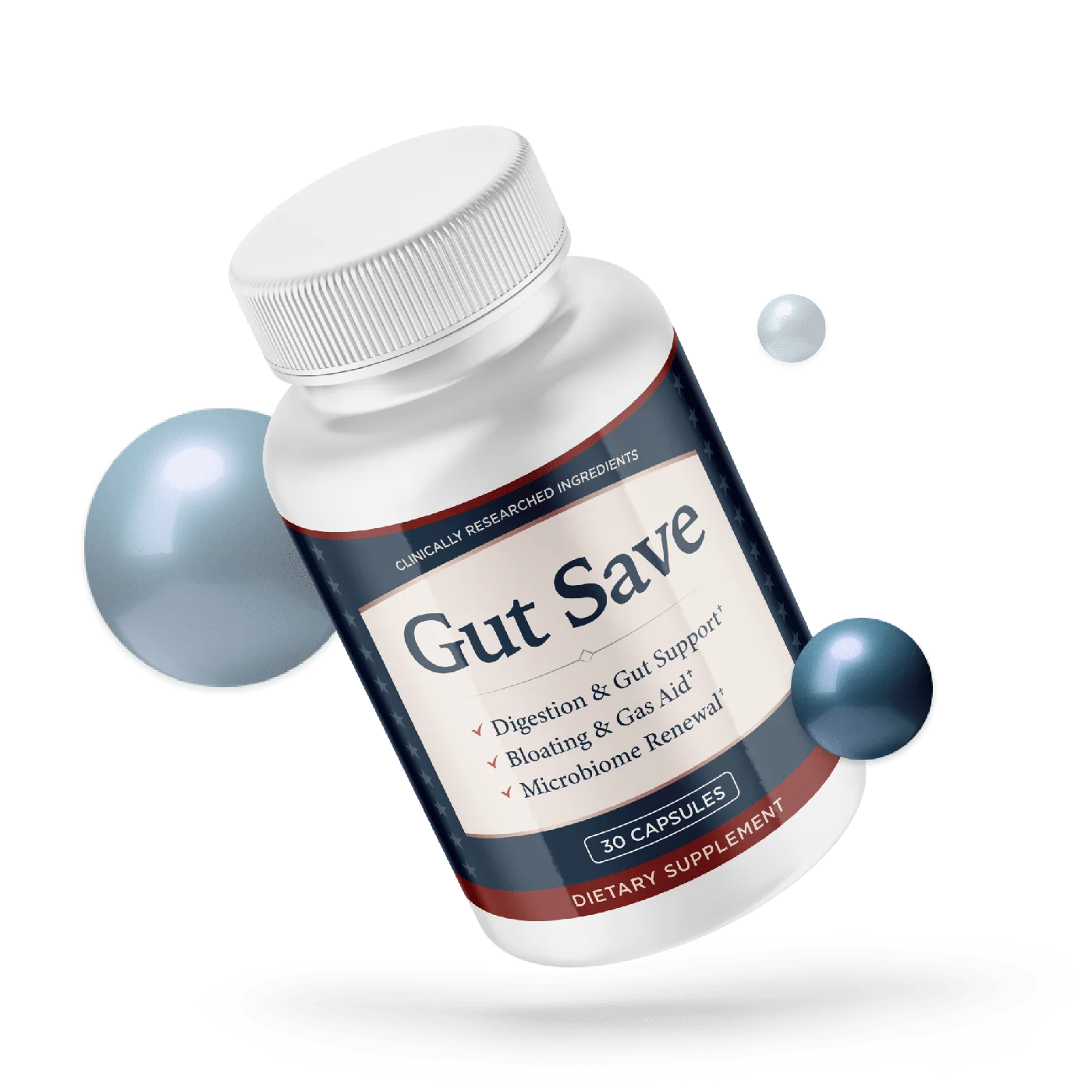
Marine collagen is collagen extracted from fish (usually the skin and scales), then hydrolysed — broken into smaller peptides — so it dissolves easily and delivers a known amount per serving. It comes as a flavour-neutral powder or in capsules, and its defining feature is precision: you know exactly how many milligrams you are taking each time. If you want to compare it against the other common source, our guide on marine collagen vs bovine collagen covers that side of the decision in detail.
Bone broth is a whole food made by simmering animal bones (beef, chicken or fish) for hours, sometimes with vinegar and vegetables. That long simmer draws collagen, minerals and amino acids into the liquid. Its defining feature is that it is food, not a purified extract — a warming, nourishing package rather than a single measured compound. The trade-off is that the collagen content varies with the bones, the cooking time and the recipe.
This is marine collagen’s biggest advantage. A supplement states its collagen amount, so every serving is identical and you can be sure of your intake. Bone broth’s collagen varies from batch to batch and pot to pot; a rich homemade broth can be meaningful, but you rarely know the exact number. If a consistent daily dose matters to you, marine collagen wins on this factor alone. The absorption step behind that dose is established rather than assumed: a human study found that consuming collagen hydrolysate raised plasma concentrations of collagen-specific amino acids (Walrand et al., Journal of Agricultural and Food Chemistry, 2008), and systematic reviews of oral collagen describe the same absorbed-peptide mechanism (Choi et al., Journal of Drugs in Dermatology, 2019).
Marine collagen is fast: stir a scoop into coffee or swallow a capsule and you are done. Bone broth takes planning — either hours of simmering at home or buying a quality ready-made version — and it has to be stored and reheated. For a busy routine, convenience often decides the matter, because the best source is the one you will actually use every day.
Here bone broth has its own appeal. Many people genuinely enjoy it as a warming drink or a cooking base, and that ritual makes it easy to keep up for those who love it. Marine collagen is essentially tasteless, which is a plus if you want to add it invisibly to other foods but offers none of the comfort-food pleasure of a hot broth.
Both are animal-derived, so neither suits a plant-based diet. Marine collagen contains fish, which rules it out for anyone with a fish allergy. Bone broth’s allergen profile depends on what it is made from — fish broth carries the same caution, while beef or chicken broth does not. Always match the source to your own situation first.
Homemade bone broth can be economical if you already cook with bones, though it costs time; quality ready-made broth can be pricey. Marine collagen’s cost is easy to calculate per serving. On sustainability, marine collagen is often made from fish by-products that would otherwise be discarded, while bone broth similarly makes use of parts of the animal that might go unused — both can be reasonably resourceful choices depending on sourcing. The catch is that a broth’s collagen content depends on the bones, the simmer time and the water, so unlike a weighed supplement dose it cannot be quoted in grams with any confidence.
See a measured marine-collagen formula →
If you value a precise, convenient, taste-neutral dose you can take in seconds every day, marine collagen is the practical winner — provided you have no fish allergy. If you love the ritual of a warming, whole-food broth and are relaxed about the collagen amount varying, bone broth is a genuinely enjoyable choice that brings minerals and amino acids along for the ride. Many people happily use both: broth as a nourishing food when they have time, and a measured marine collagen as a reliable daily baseline. There is no wrong answer here, only a fit to your preferences and routine. And as with any collagen source, consistency is what makes it worthwhile — see how long digestive supplements take to work for a realistic timeline.

GutSave delivers 300 mg of hydrolysed marine collagen per capsule — a known, consistent dose — alongside Ceylon cinnamon, Irish sea moss, papaya seed powder and a named 1.25-billion-CFU probiotic blend, all disclosed on the label in one capsule a day.
See GutSave PackagesTo make the comparison concrete, it helps to see a measured example. GutSave uses 300 mg of hydrolysed marine (fish) collagen peptides per capsule, so you get the same known amount each day rather than a variable pour from a pot. That marine collagen is paired with Ceylon cinnamon, Irish sea moss, papaya seed powder and a named multi-strain probiotic blend, all fully disclosed on the label, in one once-daily capsule. Because it contains fish, it is not suitable for anyone with a fish allergy — the allergen is clearly stated, which is exactly the kind of disclosure to look for. Whether you pair it with a homemade broth or use it on its own, a stated collagen dose is the convenience marine collagen is prized for. If two of GutSave’s botanicals interest you, our deep dive on Ceylon vs Cassia cinnamon explains why the specific form matters.
Absolutely. Marine collagen and bone broth are complementary rather than competing. Broth gives you a nourishing whole-food package and the pleasure of a warm drink; a marine collagen supplement guarantees a consistent daily baseline regardless of whether you had time to cook. The only cautions are the obvious ones: avoid marine collagen (and fish broth) if you have a fish allergy, and remember that both are animal-derived if you follow a plant-based diet. Used together sensibly, they cover both the ritual and the reliability.
Collagen, whether from a supplement or a broth, is for general wellbeing rather than treating illness. If your symptoms are severe, persistent or worsening, or come with red flags such as unexplained weight loss, blood in the stool, fever or ongoing pain, see a doctor before self-treating. The same goes if you are pregnant, breastfeeding, taking prescription medication, or managing a diagnosed condition. Beyond that, the marine collagen versus bone broth choice is a genuinely low-stakes, preference-driven one — pick the source you will keep up, and let consistency do the quiet work. It is worth being precise about what the research actually covers: the mechanistic reviews of collagen supplementation are largely about skin and connective tissue, not about repairing a gut lining (Barati et al., Journal of Cosmetic Dermatology, 2020), so treat gut-focused collagen marketing as extrapolation.
Marine collagen is purified, hydrolysed collagen peptides from fish, delivered as a powder or capsule with a known dose. Bone broth is a whole food made by simmering animal bones, giving collagen alongside minerals and amino acids but at a variable, harder-to-measure amount.
Neither is universally better. Marine collagen offers a precise, convenient, measurable dose of collagen peptides; bone broth offers a nourishing whole-food package with variable collagen. Choose marine collagen for a consistent daily dose, or bone broth if you prefer food-based nourishment and enjoy making it.
It varies. Homemade bone broth can contain meaningful collagen, but the amount depends on the bones, cooking time and recipe, so it is hard to know your exact intake. A marine collagen supplement provides a stated, consistent dose every time, which is its main advantage.
Yes. They are complementary — bone broth as a nourishing food and marine collagen as a measured daily top-up. If you have a fish or shellfish allergy, avoid marine collagen; if you follow a plant-based diet, note that both are animal-derived.
GutSave uses 300 mg of hydrolysed marine (fish) collagen peptides per capsule, alongside Ceylon cinnamon, Irish sea moss, papaya seed powder and a named probiotic blend, in one capsule a day. It contains fish, so it is not suitable for those with a fish allergy.
† These statements have not been evaluated by the Food and Drug Administration. This product is not intended to diagnose, treat, cure or prevent any disease. This article is for general information only and is not medical advice — see a doctor about blood in the stool, unexplained weight loss, persistent or severe pain, or a sudden lasting change in bowel habit. Affiliate disclosure: GutSave.com is an independent guide and not the manufacturer or seller. Some links on this page are affiliate links, and we may earn a commission — at no extra cost to you — if you buy through them. This never changes the price you pay or what we write.