
Home › Blog › Digestive Enzymes vs Antacids
Comparison Guide| In one line | Digestive enzymes help break food down during a meal; antacids neutralise stomach acid to ease heartburn. They solve different problems and are not interchangeable. |
| Reach for enzymes if | Your discomfort is heaviness, fullness or bloating after large, rich or protein-heavy meals. |
| Reach for an antacid if | Your discomfort is burning, acid reflux or heartburn — an acid symptom, not a breakdown problem. |
| Important | Frequent heartburn or a need to medicate daily should be reviewed by a doctor or pharmacist, not self-managed forever. |
They live on the same pharmacy shelf, they both promise relief after a big meal, and people grab them almost interchangeably — but digestive enzymes vs antacids is a genuine mismatch of tools. One helps you break food down; the other neutralises acid. Reaching for the wrong one is a common reason people feel let down by an over-the-counter product that was never designed for their symptom in the first place. This guide explains what each actually does, why they are not substitutes, and how to read your own discomfort to pick the right tool.
Here it is in plain terms: digestive enzymes help your body break food into smaller, absorbable pieces during a meal, while antacids neutralise or reduce stomach acid to ease heartburn and acid discomfort. Enzymes are about digestion — processing the food. Antacids are about acid — managing the burn. Once you see that these address two different problems, the choice between them usually makes itself.
Enzymes are proteins that act like molecular scissors, cutting large food molecules into pieces small enough to absorb — proteases for protein, lipases for fat, amylases for carbohydrates. Your pancreas and gut already make them; supplemental enzymes aim to give that process extra help, particularly with heavy, rich or protein-dense meals. A traditional plant example is papain, the enzyme found in papaya seed, long used to help the body handle protein-heavy food. The clinical model for enzyme supplementation is pancreatic enzyme replacement therapy in exocrine pancreatic insufficiency, a genuine deficiency state with its own diagnostic criteria and dosing rules (Whitcomb et al., Gastroenterology, 2023) — a useful benchmark for how far an over-the-counter enzyme product is from a medicine.
The defining feature of enzymes is timing: they act on the meal in front of you, so they are taken just before or with eating, and their benefit is specific to that meal. They are the logical choice for that stuffed, sluggish, over-full feeling an hour after a large dinner. For a fuller picture of how enzymes compare with live cultures, see our guide to probiotics vs digestive enzymes.

Antacids work on chemistry, not digestion. They contain alkaline compounds — such as calcium carbonate, magnesium hydroxide or aluminium salts — that neutralise excess stomach acid, raising the pH and easing the burning sensation of heartburn or acid reflux. They act quickly and are intended for the symptom of acid, not for helping you process a meal. Crucially, an antacid does nothing to break down food; it simply changes the acidity of what is already in your stomach.
Because they alter stomach pH, antacids are a short-term, symptom-focused tool. Occasional use for the odd bout of heartburn is common, but they are not designed to be a daily habit, and leaning on them every day can mask something that deserves a proper look. That short-term framing matters: expert guidance on the longer-term acid-suppressing drugs weighs benefits against a list of possible harms and advises using the lowest effective dose for the shortest necessary period (Freedberg et al., Gastroenterology, 2017). The plain-language background on reflux from the National Institute of Diabetes and Digestive and Kidney Diseases is worth reading first.
Laying the two out directly makes the mismatch clear:
The fastest way to choose is to describe your discomfort honestly to yourself. If the feeling is heaviness, fullness, pressure or bloating that builds after a large or rich meal, that points toward digestion — and enzymes are the more logical tool. If the feeling is a burning sensation behind the breastbone, sourness in the throat, or classic heartburn, that is an acid symptom, and an antacid is the tool designed for it. Bloating specifically is a breakdown-and-gas issue rather than an acid one, which is why our practical guide to reducing bloating after eating focuses on enzymes, fibre and habits rather than acid neutralisers.
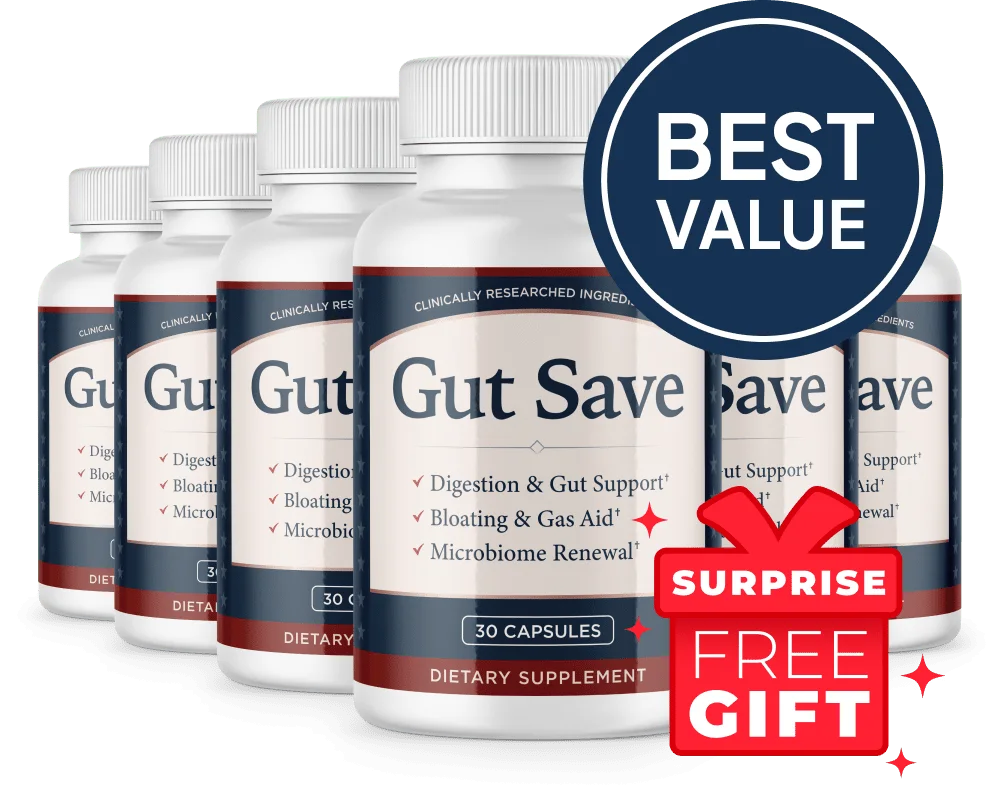
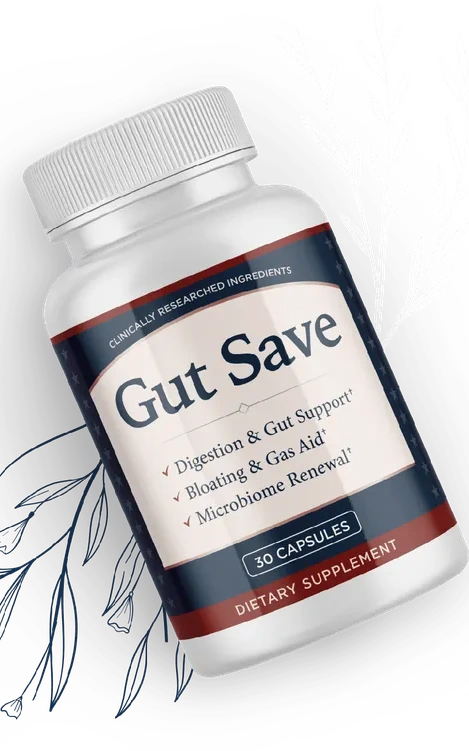
GutSave includes papaya-seed enzymes for heavy meals alongside gut-supporting botanicals, marine collagen and a 1.25-billion-CFU probiotic blend — a once-daily approach to everyday digestive comfort, with a 60-day money-back guarantee.
See GutSave PackagesBecause they act on different things, some people do use both at times — an enzyme with a heavy meal and an antacid if heartburn flares. However, there is a caveat worth knowing: antacids change the pH of the stomach, and some enzymes are pH-sensitive, so raising the acidity level can affect how certain enzymes behave. This does not make combining them dangerous for most people, but it does mean that if you find yourself regularly needing both, that is a strong signal to speak with a pharmacist or doctor rather than to keep layering products. A recurring need for daily relief is information, not just an inconvenience.
One of the most persistent misunderstandings is the idea that heartburn always means “too much acid,” and therefore that an antacid is the answer to almost any after-meal discomfort. In reality, the sensation you are trying to fix matters far more than any assumption about acid levels. Heaviness and bloating after a big meal are typically about how well food is being broken down and how much gas is produced — not about excess acid at all — so neutralising acid does little for them. Conversely, taking a digestive enzyme will not calm a genuine burning reflux sensation, because enzymes do not touch pH. Matching the tool to the actual feeling, rather than to a folk assumption, is the single most useful habit when choosing between these two products. Clinical guidance treats bloating and reflux as separate problems with separate evaluations, which is exactly why one product cannot be the answer to both (Moshiree et al., Gastroenterology, 2023).
Neither enzymes nor antacids are the same as a daily gut-support routine. Antacids are a reactive fix for acid symptoms. Enzymes can be reactive too — deployed for a specific big meal — but they also appear in daily formulas alongside probiotics, fibre and botanicals that support digestion more broadly over time. If your goal is steadier everyday comfort rather than putting out fires, a once-daily formula is a different category of tool — you can see how GutSave packages its enzyme-and-probiotic blend for exactly that everyday role. Our buyer’s checklist for choosing a digestive supplement walks through how to judge one on substance, so you are comparing real doses rather than packaging.
This article is general information, not medical advice, and neither enzymes nor antacids are cures. The single most important point is this: frequent, severe or persistent symptoms deserve a professional opinion. Regular heartburn, difficulty swallowing, unexplained weight loss, or a need to medicate every day should be reviewed by a doctor or pharmacist rather than managed indefinitely with over-the-counter products. If you are pregnant or breastfeeding, immunocompromised, taking medication, or managing a diagnosed digestive condition, check before starting any supplement, and always follow the directions on the specific product’s label. Used sensibly and for the right symptom, though, knowing the difference between these two tools is the first step to choosing the one that actually fits — and you can see how a once-daily enzyme-and-probiotic formula fits your routine.
Digestive enzymes help break food down into absorbable pieces during a meal. Antacids neutralise or reduce stomach acid to ease heartburn and acid discomfort. Enzymes support digestion; antacids manage acid. They target different problems.
They act on different things, so people sometimes use both, but antacids change stomach pH and some enzymes are pH-sensitive, which can affect how enzymes behave. If you feel you need both regularly, that is a good reason to speak with a pharmacist or doctor.
If bloating and heaviness follow large or rich meals, enzymes may help because they support breaking that food down. Antacids target acid symptoms such as heartburn, not bloating from undigested food. Match the tool to the symptom.
Heartburn is an acid symptom, so an antacid is the more logical short-term tool for occasional heartburn. Enzymes are not designed to neutralise acid. Frequent or persistent heartburn should be discussed with a healthcare professional.
Occasional antacid use is common, but relying on them daily can mask an underlying issue and may have downsides over time. Persistent symptoms that need daily treatment should be reviewed by a doctor or pharmacist rather than self-managed indefinitely.
† These statements have not been evaluated by the Food and Drug Administration. This product is not intended to diagnose, treat, cure or prevent any disease. This article is for general information only and is not medical advice — see a doctor about blood in the stool, unexplained weight loss, persistent or severe pain, or a sudden lasting change in bowel habit. Affiliate disclosure: GutSave.com is an independent guide and not the manufacturer or seller. Some links on this page are affiliate links, and we may earn a commission — at no extra cost to you — if you buy through them. This never changes the price you pay or what we write.