
Home › Blog › Marine vs Bovine Collagen
Comparison Guide| The short version | Both are collagen; the difference is the source. Marine collagen comes from fish and tends to have smaller, well-absorbed peptides; bovine collagen comes from cattle and is rich in types I and III. |
| For gut support | Both supply glycine and proline, the amino acids linked to the gut lining. Marine is prized for absorption; bovine for a broad type I/III profile at lower cost. |
| Allergens | Marine collagen suits those avoiding beef but not those with fish allergy; bovine suits those avoiding fish but not those avoiding beef. |
When a digestive formula lists collagen, the next question is usually about the source — and the debate almost always comes down to marine collagen vs bovine collagen for gut health. Both are genuine collagen, both supply the amino acids your body uses to build and maintain connective tissue, and both turn up in gut-support supplements. But they come from very different places, carry different allergen considerations, and appeal to different shoppers. Here is how they actually compare, without the marketing gloss.
Collagen is the most abundant protein in the body and a major structural component of connective tissue — including the lining of the digestive tract. Collagen supplements supply amino acids, especially glycine and proline, that the body draws on to maintain that tissue. This is why collagen appears in digestive formulas: it is included as general support for the gut lining and connective tissue, described in terms of traditional and structural use rather than as a treatment. Keep that framing in mind as we compare sources; the source affects the details, not the basic role.
Marine collagen is derived from fish — typically the skin and scales of wild-caught or farmed species. It is predominantly type I collagen, the same type that dominates human skin and much connective tissue. Its main selling point is peptide size: marine collagen tends to have a lower molecular weight than other sources, and when hydrolyzed into small peptides it is generally very well absorbed. It also suits people who avoid beef and pork for dietary or religious reasons, and pescatarians. The obvious caveat: it is unsuitable for anyone with a fish allergy, and for vegetarians and vegans.
Bovine collagen comes from cattle — usually hide, bones or connective tissue. It is rich in both type I and type III collagen, a combination well suited to skin, gut and general connective-tissue support. It is widely available and typically less expensive than marine collagen, which makes it a practical choice at higher doses. Bovine collagen suits people who avoid fish and shellfish, but not those who avoid beef for religious or dietary reasons, and again, not vegetarians or vegans.
This is where marketing tends to overstate the case. Yes, marine collagen usually has a smaller molecular weight, and small hydrolyzed peptides are absorbed well. But hydrolyzed bovine collagen is also broken down and absorbed effectively. During digestion, both are ultimately reduced to peptides and free amino acids that your body distributes as it sees fit — it does not “send fish collagen to your gut and cow collagen to your skin.” The honest takeaway is that whether a product is hydrolyzed, and whether you take it consistently, matters more than a modest difference in source peptide size. What is genuinely established is absorption in general: a human study showed that collagen hydrolysate raises plasma collagen-specific amino acids after ingestion (Walrand et al., Journal of Agricultural and Food Chemistry, 2008). What is not established is a meaningful clinical gap between fish-derived and cattle-derived peptides once they are hydrolysed, and the systematic reviews of oral collagen do not draw one (Choi et al., Journal of Drugs in Dermatology, 2019).
Shopping around, you may also meet type II collagen, which comes mainly from chicken or cartilage and is associated more with joints than with the gut or skin. For digestive and gut-lining support, types I and III are the relevant ones, and both marine and bovine deliver type I generously. So while “type II” can sound like an upgrade, it is simply a different tool for a different job — not the form you are looking for in a gut-focused formula. Knowing this saves you from paying a premium for the wrong type.
Both sources are excellent providers of glycine and proline, the amino acids most associated with connective tissue and the gut wall. The profiles differ slightly — bovine tends to bring more type III alongside type I, while marine is more heavily type I — but for general gut support the overlap is far larger than the difference. If a brand claims a dramatic gut advantage for one source over the other on amino acids alone, treat that as sales copy rather than settled science. Mechanistic reviews describe the same absorbed di- and tripeptides regardless of the animal they started in (Barati et al., Journal of Cosmetic Dermatology, 2020).
For many shoppers, this is the deciding factor and it is refreshingly simple. Choose marine collagen if you avoid beef but can eat fish. Choose bovine collagen if you avoid fish or shellfish but can eat beef. If you are vegetarian or vegan, neither animal source fits, and you would need to look at collagen-supporting nutrients instead of collagen itself. Always read the “contains” line, because a combined formula may include other allergens too.
Marine collagen is often marketed on sustainability grounds, since it can be made from fish by-products that would otherwise be discarded — though this depends entirely on sourcing. Bovine collagen quality depends on how the cattle were raised and processed. For either source, the quality signals are the same ones that matter for any supplement: hydrolyzed for absorption, made to GMP standards, and a fully disclosed dose on the label. Our guide to choosing a digestive supplement covers how to read those quality marks properly.
Whatever the source, a few practical points help you get value. Choose a hydrolyzed product — often labelled “collagen peptides” — for easy absorption; take it consistently rather than in occasional large doses; and give it several weeks before judging results, since connective-tissue support is gradual by nature. Quality also announces itself: high-grade collagen has no meaningful taste or smell, so a strong fishy odour in a marine product can be a sign of cheaper processing. And because collagen is a protein rather than a stimulant, there is no “kick” to feel — the benefit, if it comes, is quiet and cumulative.

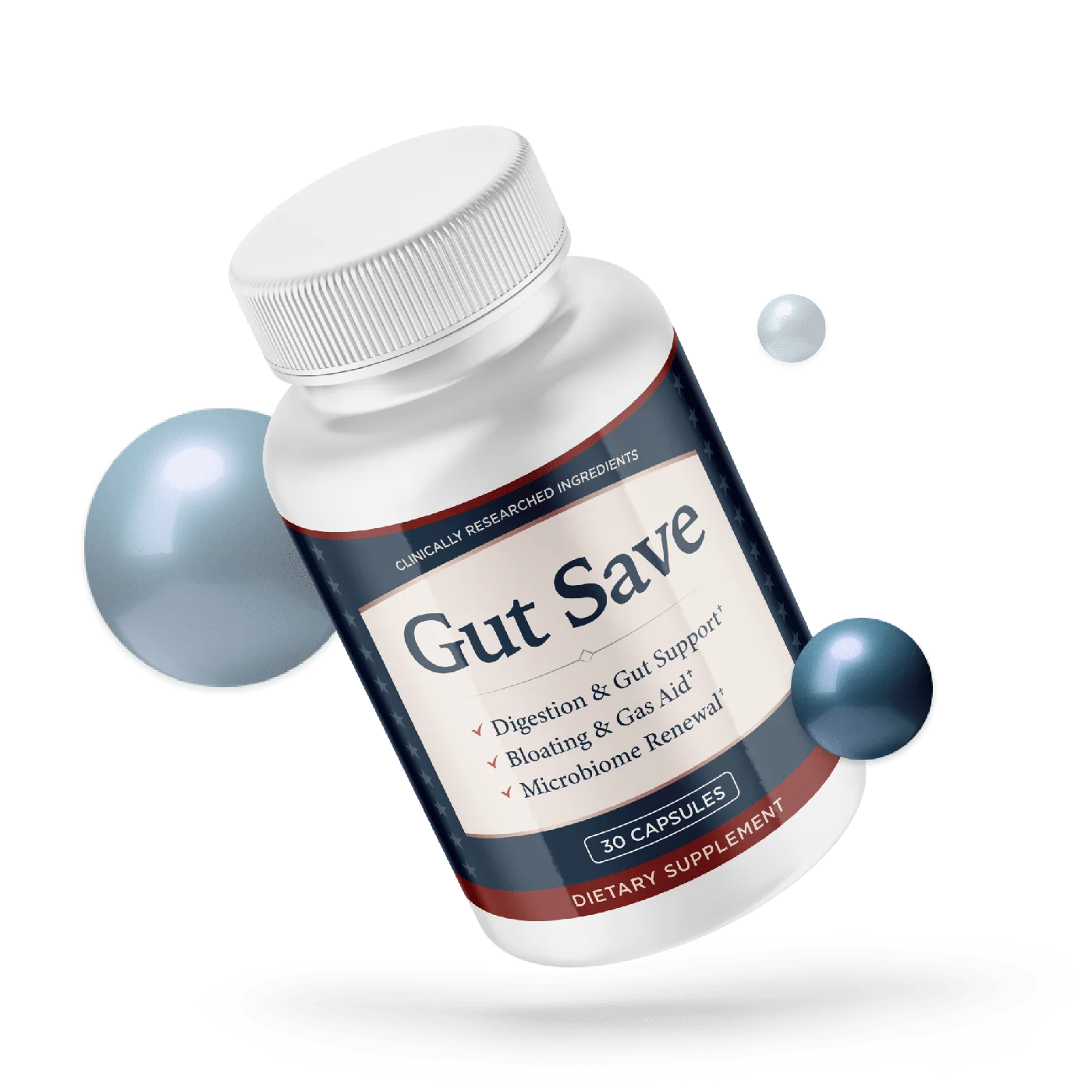
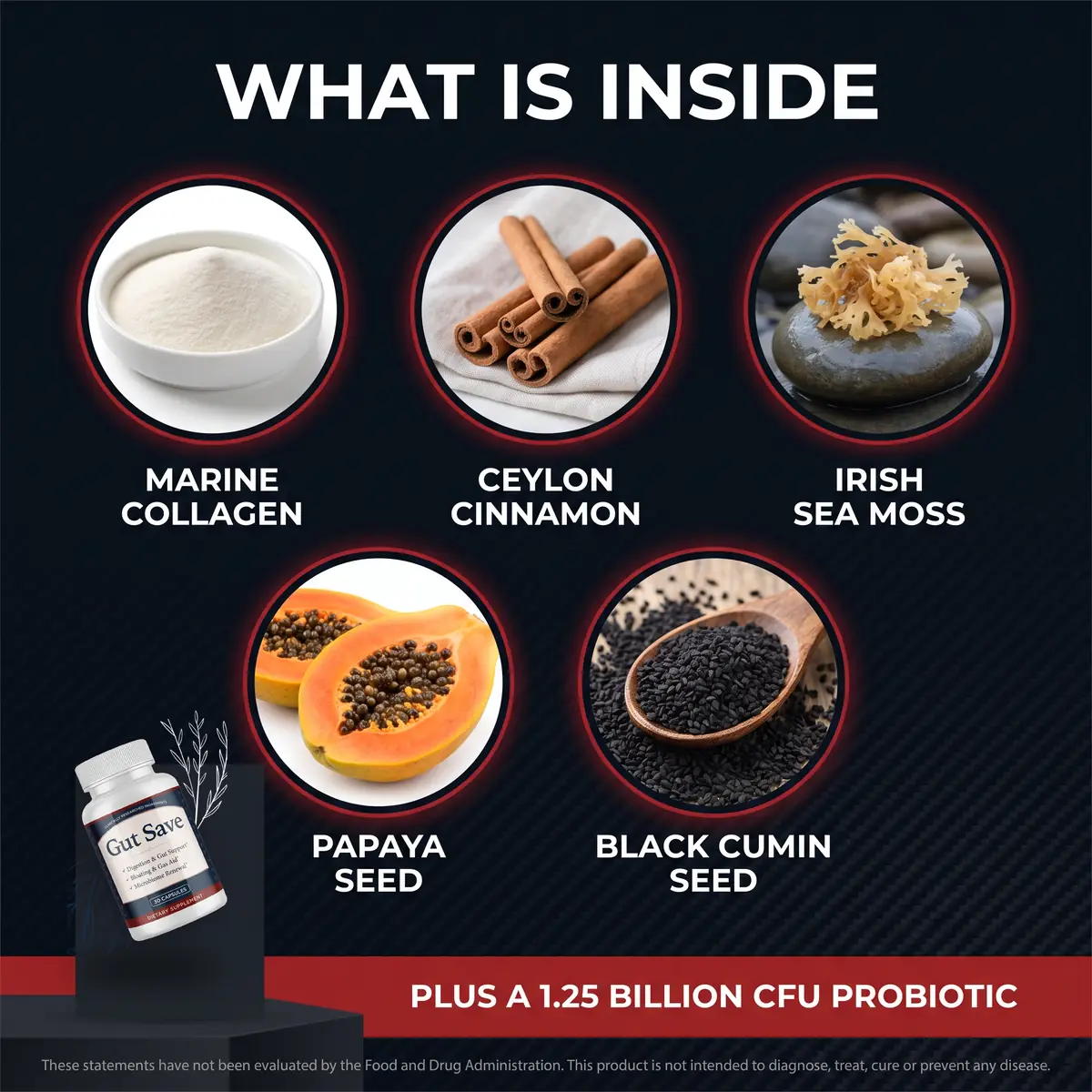
GutSave uses 300 mg of Clean Marine® hydrolyzed fish collagen per capsule — the highest-dose active in the formula — alongside botanicals and a probiotic blend. Contains fish; not for those with a fish allergy. 60-day money-back guarantee.
See GutSave PackagesThere is no universal winner. If absorption and a beef-free source appeal to you, and you have no fish allergy, marine collagen is a strong pick. If cost, a broad type I/III profile and a fish-free source matter more, bovine collagen makes sense. For gut support specifically, both supply the same key building blocks, so the practical decision usually comes down to your diet, your allergens and your budget — not a dramatic difference in effect.
Whichever you choose, collagen rarely works alone in a digestive formula. It is commonly paired with botanicals and probiotics that address other stages of digestion, which is why it is worth understanding how probiotics and enzymes differ and how a specific botanical form — like Ceylon versus Cassia cinnamon — can change the value of a product. You can also see how these pieces fit together in one capsule on the GutSave overview. If you are weighing a capsule against a kitchen route, the trade-offs are laid out in marine collagen vs bone broth.
Collagen is a supportive nutrient, not a cure, and results build slowly with consistent daily use rather than appearing overnight. It is generally well tolerated, but anyone with a relevant food allergy should avoid the matching source, and those who are pregnant, breastfeeding or managing a medical condition should check with a healthcare professional first. Treat collagen as one steady contributor to gut and connective-tissue support — useful in the mix, but most effective as part of good overall habits.
Neither is universally better. Both supply the amino acids glycine and proline associated with the gut lining. Marine collagen is often chosen for its smaller, well-absorbed peptides; bovine collagen for its rich type I and III content and lower cost. The best choice depends on your diet, allergies and preferences.
Marine collagen typically has a lower molecular weight, and hydrolyzed peptides of this size are generally well absorbed. Bovine collagen is also well absorbed when hydrolyzed. In practice, both are broken into peptides and amino acids during digestion, so consistency of use matters more than small source differences.
Collagen supplies glycine and proline, amino acids that the body uses in connective tissue including the gut wall. Collagen is often included in digestive formulas for this reason, described as general support rather than a treatment for any condition.
Yes. Marine collagen is derived from fish, so it suits people who avoid beef for dietary or religious reasons and pescatarians. It is not suitable for vegetarians, vegans, or anyone with a fish allergy.
Doses vary widely between products and studies. What matters most is consistent daily intake over several weeks rather than a single large dose. Check the label for the exact amount per serving and follow the product's directions.
† These statements have not been evaluated by the Food and Drug Administration. This product is not intended to diagnose, treat, cure or prevent any disease. This article is for general information only and is not medical advice — see a doctor about blood in the stool, unexplained weight loss, persistent or severe pain, or a sudden lasting change in bowel habit. Affiliate disclosure: GutSave.com is an independent guide and not the manufacturer or seller. Some links on this page are affiliate links, and we may earn a commission — at no extra cost to you — if you buy through them. This never changes the price you pay or what we write.