
Home › Blog › Ceylon vs Cassia Cinnamon
Comparison Guide| The short version | Ceylon is “true” cinnamon; Cassia is the common supermarket type. For regular use, Ceylon is generally preferred because it contains far less coumarin. |
| Why it matters | Cassia is high in coumarin, which can be a concern in large, daily amounts. Ceylon's very low coumarin makes it the safer pick for everyday supplementation. |
| For digestion | Both are traditionally used to support comfortable digestion; Ceylon offers a milder, sweeter flavour and a better safety profile for daily use. |
Cinnamon sounds like a single ingredient, but when you are comparing supplements the distinction between Ceylon vs Cassia cinnamon for digestion is one of the more important details on the label — and one of the most overlooked. The two are different plants with different flavours, different price tags and, crucially, very different amounts of a compound called coumarin. If you are going to take cinnamon daily, knowing which one you are getting genuinely matters.
“Cinnamon” on a jar or a label can mean either of two things. Ceylon cinnamon (Cinnamomum verum, literally “true cinnamon”) comes mainly from Sri Lanka and is the more delicate, premium spice. Cassia cinnamon is the cheaper, more intense variety that fills most supermarket shelves and pre-ground jars in many countries. They taste similar enough that casual bakers rarely notice, which is exactly why the difference slips past so many supplement shoppers too.
The headline reason to care is coumarin, a natural plant compound. Cassia cinnamon is relatively high in coumarin, while Ceylon contains only trace amounts. In small, occasional culinary amounts this is not a concern for most people. But supplements are different: they are designed to be taken every day, potentially for months. Regularly consuming large amounts of coumarin is something food-safety authorities have flagged, which is why Ceylon — with its very low coumarin content — is the sensible choice for anything you intend to take consistently. Market surveys have measured the gap directly: an analysis of cinnamon sold at retail found markedly higher coumarin in cassia-type products than in true cinnamon, which is why the species on the label is a safety detail rather than a flavour note (Lungarini et al., Food Additives & Contaminants, 2008).
This is the single most practical takeaway of the whole comparison. For a spice you sprinkle on porridge once in a while, Cassia is fine. For a capsule you swallow daily, Ceylon’s safety profile makes it the better long-term pick.
If you have ever tasted them side by side, the difference is clear. Ceylon is mild, sweet, floral and complex — the kind of subtle warmth prized in fine baking. Cassia is bolder, spicier and more astringent, with the punchy “cinnamon” hit most people picture. For a supplement this is a minor point, since you are swallowing a capsule rather than tasting it, but it reflects the genuine botanical difference between the two.
Both types of cinnamon share a long history in traditional wellness practices, where the spice has been used to support comfortable digestion and a settled stomach. It is included in some modern digestive formulas on the strength of that traditional use. It is important to be precise here: cinnamon is described as general, traditional support, not as a treatment or cure for any digestive condition. If you see a product claiming cinnamon “cures” a gut problem, that is a marketing red flag rather than a mark of quality.
Part of cinnamon’s popularity is versatility. Beyond its traditional digestive reputation, it is valued as a warming, aromatic botanical that blends well with other gut-support ingredients, and a little goes a long way. In a combined formula it rarely acts alone; it sits alongside actives like marine collagen and probiotics, each covering a different angle of everyday comfort. That team approach is the norm in well-built digestive supplements, and it is worth understanding the other players — for instance, how marine and bovine collagen compare for the gut lining, since the same “which form?” thinking applies there too.
With whole quills, the two are easy to distinguish: Ceylon sticks are tan, thin and made of many fragile layers rolled together like a cigar, and they crumble easily. Cassia is darker, reddish-brown, hard, and forms a single thick curl. Ground and in capsules, though, you cannot tell by looking — you have to read the label. Look for the word “Ceylon” or the botanical name Cinnamomum verum. If a product simply says “cinnamon” with no qualifier, it is most likely the cheaper Cassia, and for daily use that is worth knowing before you buy.
There is no single official figure for a “digestive” dose of cinnamon, and supplement amounts vary widely from one product to the next. What food-safety bodies have set is guidance on coumarin, the very compound that makes the Ceylon-versus-Cassia distinction matter. Because Ceylon is naturally very low in coumarin, it gives you far more headroom for daily use than Cassia does at the same amount. Whatever product you choose, follow the label’s directions rather than assuming more is better, and remember that a modest amount taken consistently is exactly the pattern these ingredients are designed for — not an occasional large dose.
When you compare products, three quick checks save you from paying for the wrong spice. First, look for the word “Ceylon” or Cinnamomum verum on the label — not just “cinnamon.” Second, prefer a formula that discloses the exact amount per serving rather than burying it inside a vague proprietary blend. Third, favour cinnamon that is organic or otherwise quality-sourced, since a delicate spice is only ever as good as its origin. These are the same transparency habits that serve you across every ingredient, which is why they anchor our digestive supplement buyer’s checklist and our honest look at whether digestive supplements are worth it. Label studies of the Ceylon cinnamon trade have found real inconsistency in how the species is declared, so a panel that prints “Ceylon cinnamon” or Cinnamomum verum in full is doing something many products do not (De Silva et al., PLOS ONE, 2021).

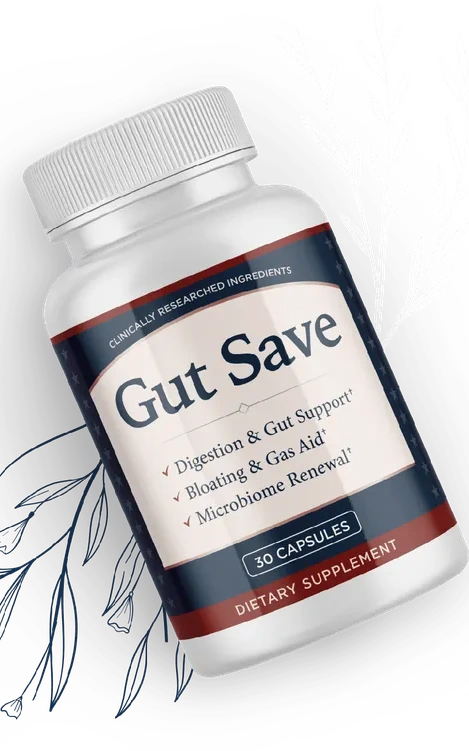
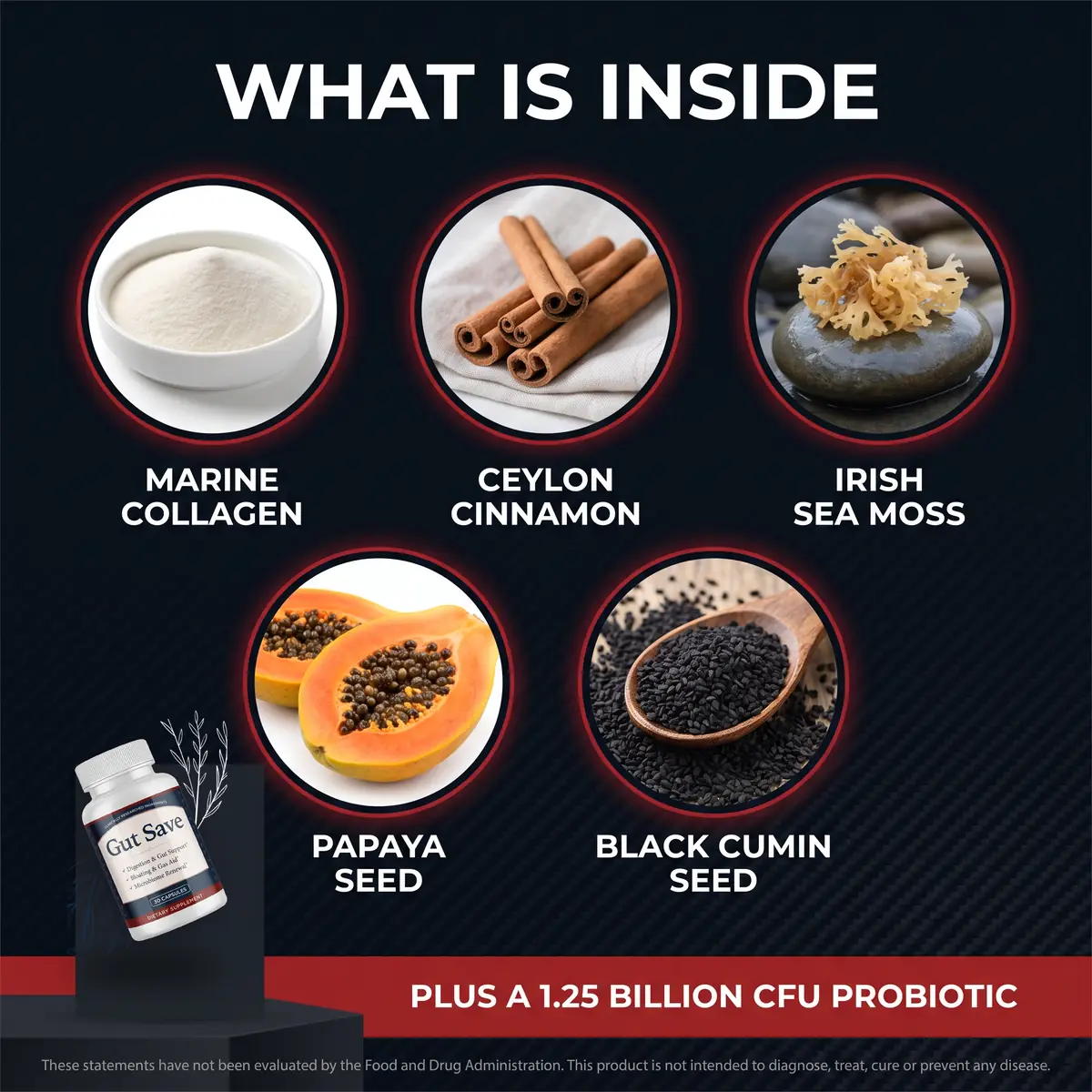
GutSave uses 45 mg of organic Ceylon cinnamon per capsule — the low-coumarin ‘true’ cinnamon — alongside marine collagen, papaya seed and a probiotic blend for everyday digestive comfort. One capsule a day, 60-day money-back guarantee.
See GutSave PackagesFor occasional use in cooking, either is fine and Cassia’s stronger flavour may even be preferable. But for a supplement you will take day after day, Ceylon is the clear winner: it carries the same traditional digestive reputation while sidestepping the coumarin concern that makes daily Cassia use less advisable. When a brand goes to the trouble of specifying Ceylon on the label, it is a small but telling sign that it has thought about long-term use rather than just cost.
Cinnamon is only ever one part of a digestive formula, of course. It works best combined with ingredients that address other stages of digestion, which is why it is worth understanding the wider picture — from marine versus bovine collagen to the general checklist for choosing a digestive supplement. Seeing how these pieces fit together in a single capsule on the GutSave overview makes the value of specifying the right form much clearer. The same logic applies to the fibre side of a formula, which is where Irish sea moss and psyllium husk part company.
Cinnamon is well tolerated by most people in normal amounts, but if you take blood-thinning or blood-sugar medication, are pregnant or breastfeeding, or have liver concerns, it is wise to check with a healthcare professional before adding a daily cinnamon supplement — particularly one you are unsure is Ceylon. As with any botanical, treat it as gentle, cumulative support that works best alongside good eating habits, not as a quick fix. Choosing Ceylon over Cassia will not transform your digestion on its own, but it is exactly the kind of informed, low-risk decision that separates a thoughtful supplement from a cheap one. Reviews of the clinical trial evidence on cinnamon and blood sugar report mixed and inconsistent results at doses far above a culinary pinch (Medagama, Nutrition Journal, 2015), which is the honest reason no supplement should be sold to you as a blood-sugar treatment. The National Center for Complementary and Integrative Health’s cinnamon overview reaches the same conclusion.
Ceylon cinnamon (Cinnamomum verum) is known as 'true' cinnamon and has a milder, sweeter flavour and very low coumarin. Cassia cinnamon is the more common, cheaper supermarket type, with a stronger flavour and much higher coumarin content. For regular daily use, Ceylon is generally preferred.
Cassia cinnamon contains high levels of coumarin, a natural compound that may be a concern in large amounts taken regularly. Ceylon cinnamon contains only trace amounts of coumarin, which makes it the safer choice for consistent daily supplementation.
Cinnamon has a long history of traditional use to support comfortable digestion and a settled stomach. It is included in some digestive formulas for this reason, described as traditional and general support rather than a treatment for any condition.
Quality supplements that are meant to be taken daily tend to use Ceylon cinnamon specifically, because of its low coumarin content. Cheaper products may use Cassia without specifying, so it is worth checking the label for the word 'Ceylon' or the botanical name Cinnamomum verum.
Ceylon quills are tan, thin and made of many soft layers rolled together, while Cassia is darker, harder and a single thick curl. On a supplement label, look for 'Ceylon' or 'Cinnamomum verum'; if it just says 'cinnamon', it is most likely Cassia.
† These statements have not been evaluated by the Food and Drug Administration. This product is not intended to diagnose, treat, cure or prevent any disease. This article is for general information only and is not medical advice — see a doctor about blood in the stool, unexplained weight loss, persistent or severe pain, or a sudden lasting change in bowel habit. Affiliate disclosure: GutSave.com is an independent guide and not the manufacturer or seller. Some links on this page are affiliate links, and we may earn a commission — at no extra cost to you — if you buy through them. This never changes the price you pay or what we write.